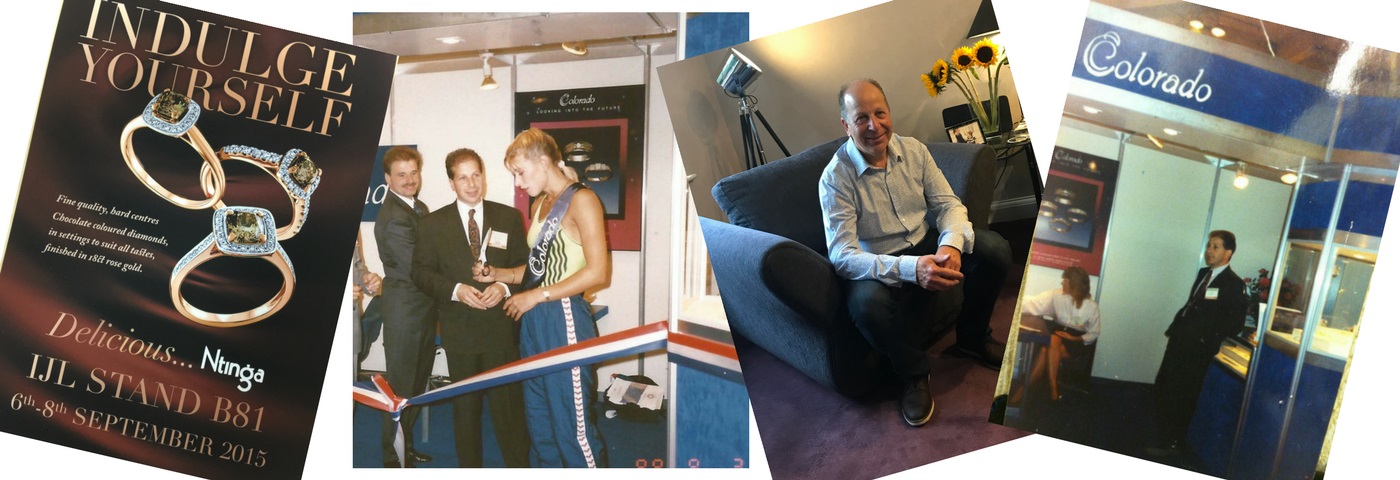
For Ntinga managing director, Howard Graham, International Jewellery London has been an annual fixture in his business calendar for an incredible four decades. At IJL 2017, Howard will celebrate his ...
Want to have your say? IJL has teamed with Pursuit Software to discover exactly how data savvy the UK and international retail jewellery industry really is! Can you quickly look ...
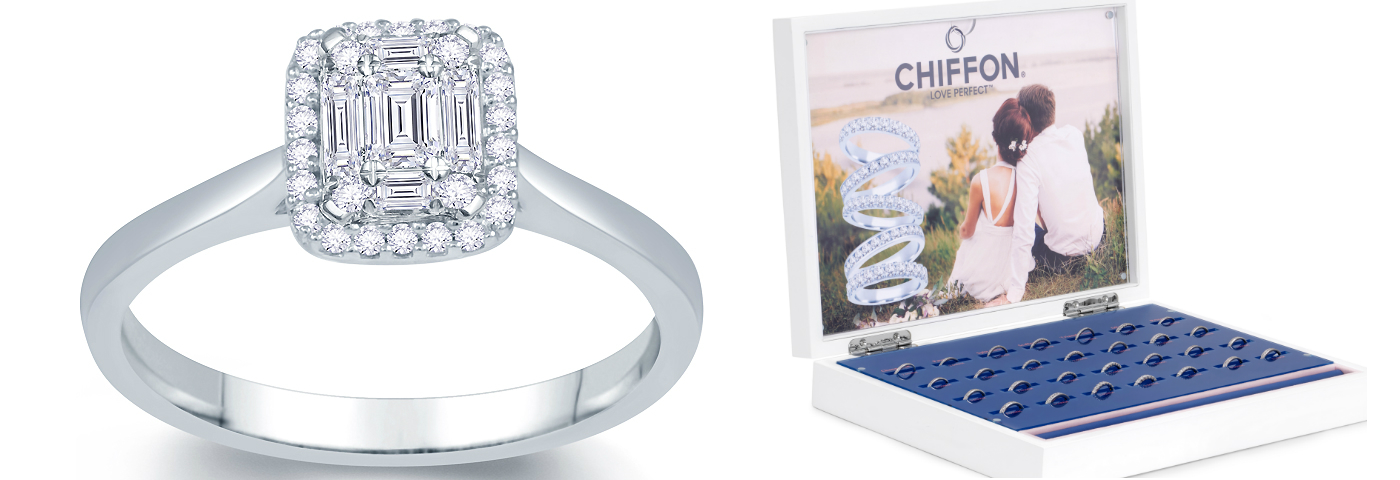
With just weeks until the doors to Olympia open, we catch up with long-term IJL exhibitor Mireya to discover more about its new Chiffon brand – a beautiful range of ...
We look forward to welcoming Fox Surveillance and Security Solutions to IJL 2017. This new exhibitor specialises in personal security and accredited training courses designed to help those in high-value ...
It’s true that 92% of consumers have made a purchase after reading about a product on their favourite blog. You will also find that 62% of consumers will make a ...
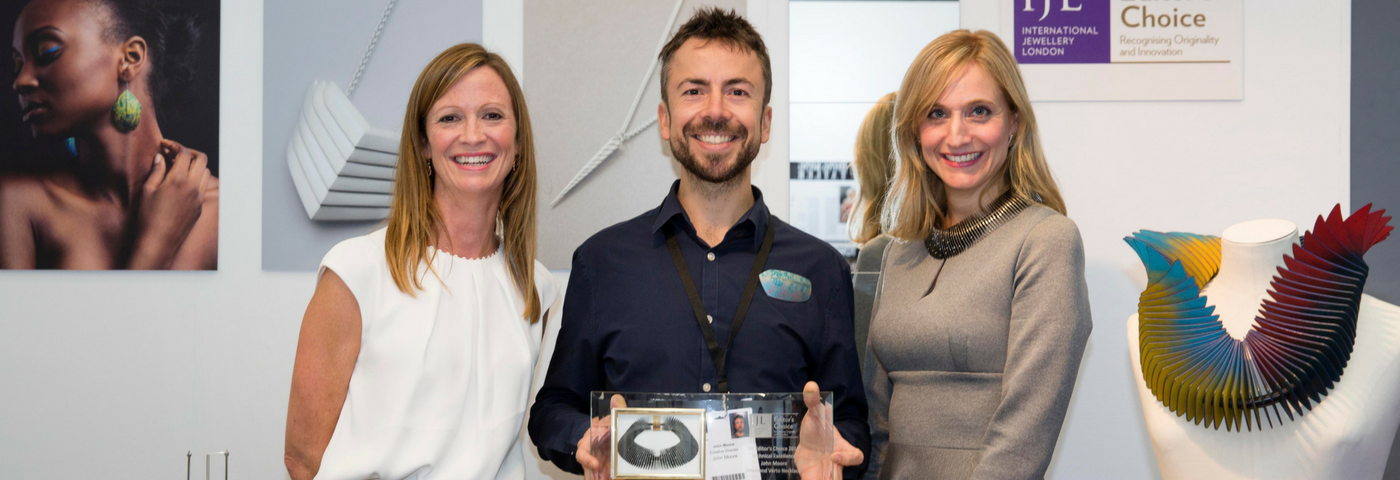
In a change from previous years, a selection of industry media editors will decide on the winners in four coveted categories, including Exhibitor of the Year, during IJL 2017. International ...
This year, we are excited to introduce the Skills Lab to IJL. Building on the success of our long-standing Advice Clinic concept, Skills Lab includes two private one-on-one booths and ...
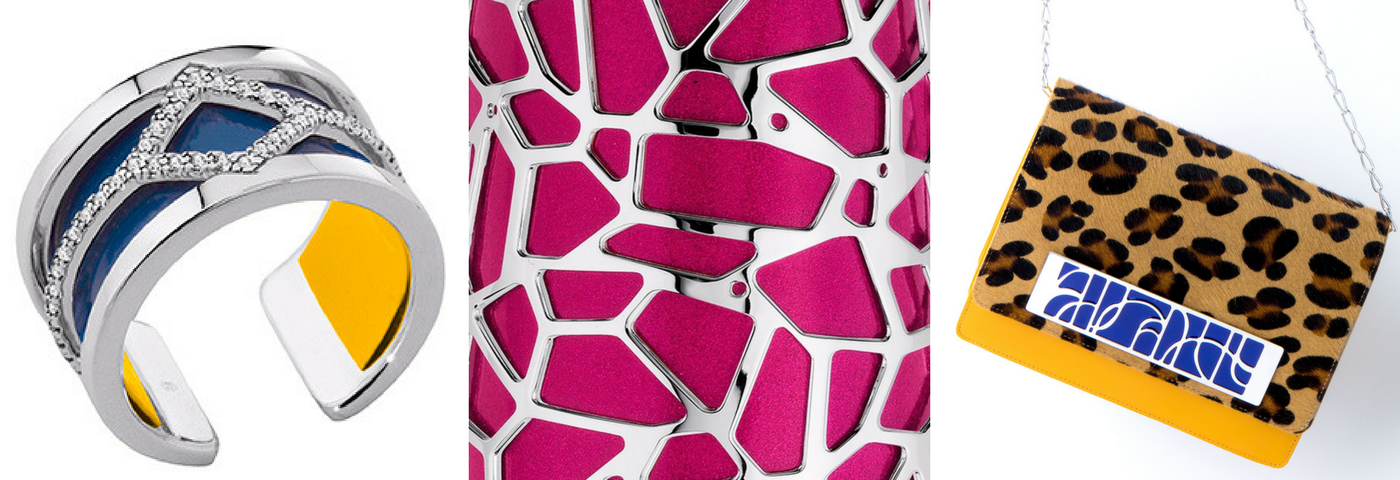
Les Georgettes has enjoyed a meteoric rise to success thanks to its innovative customisable bangle and leather concept. Here, IJL talks to Frédéric Brunel Acquaviva, vice president (France and International) of ...
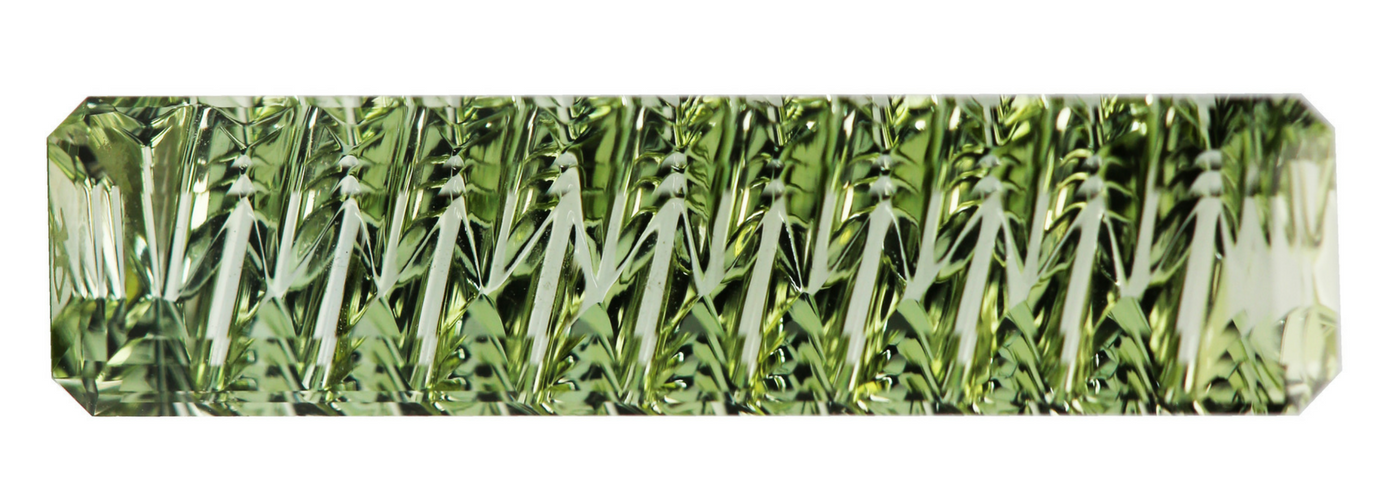
International Jewellery London and Gem-A have teamed up to offer one lucky Design Gallery exhibitor the chance to win a 4.14 carat green tourmaline in this year’s Gem Empathy competition. ...
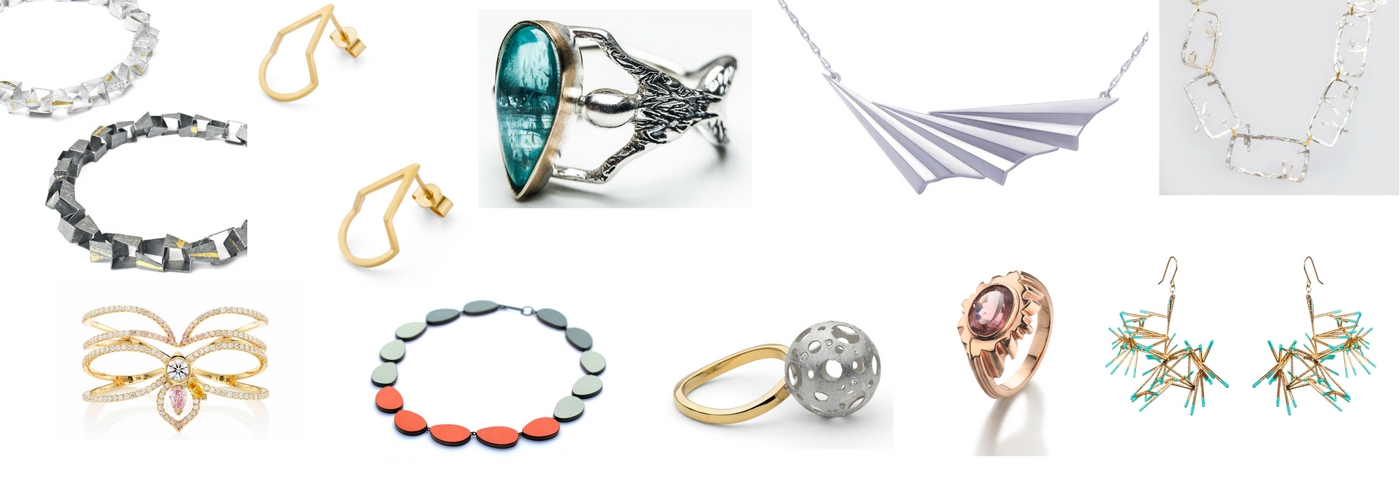
International Jewellery London today announce the ten new designers chosen for the 2017 IJL KickStart initiative. All 10 will exhibit under the KickStart umbrella at this year’s show and will also ...
By Jo Henderson of JHJ Consultancy Do we dictate what sells or are we lead by demand? It’s the age old question ‘Which came first the chicken or the egg?’ Are we ...
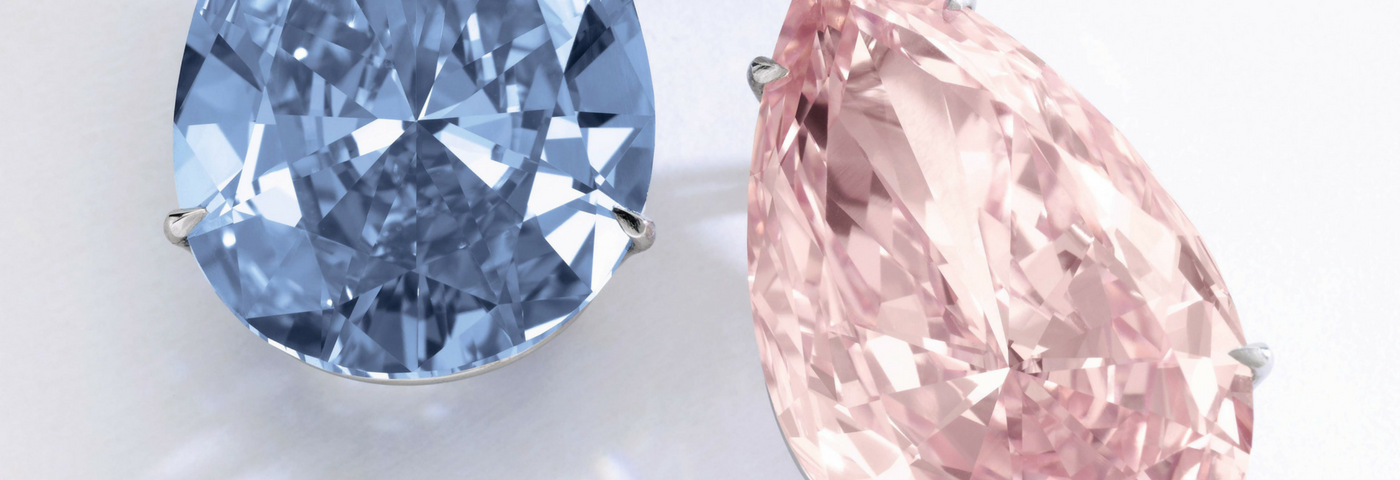
GENEVA, May 19, 2017 – Rare colour diamonds again broke records at this month’s Geneva magnificent jewellery auctions, while white diamonds seemed less in vogue, signalling a buying opportunity. A ...
IJL 2017 opens its doors at Olympia, London on 3 September 2017 for three days of inspiration, innovation, education and networking opportunities. Jewellery trade visitors who register online before ...
Register for IJL – www.jewellerylondon.com/register A common piece of feedback we hear from our visitors is that it’s more important than ever to demonstrate the return of their time and ...
Did you know that 94% of B2B marketers use LinkedIn to distribute content? LinkedIn generates the highest visitor-to-lead conversion rate at 2.74% which is 277% higher than Twitter. When it ...
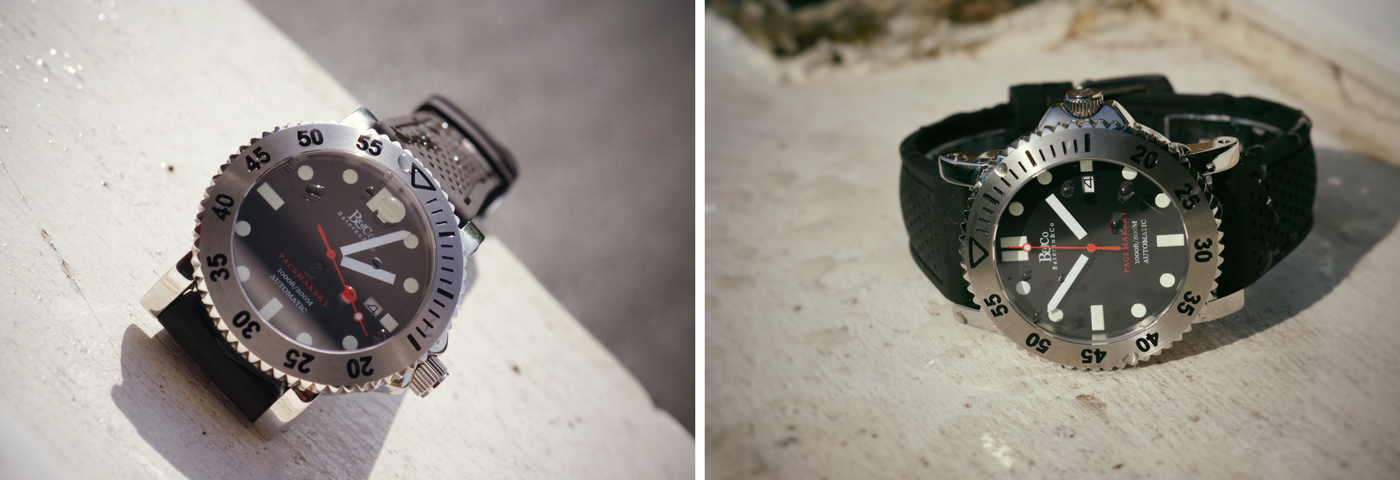
Drawing on his own experiences, Marho Bateren founded watch brand Bateren & Co to fill a niche in the market for automatic timepieces at accessible prices. Here, he explains what ...
International Jewellery London are delighted to announce that The Goldsmiths’ Centre, the leading charity for the professional training of goldsmiths, have become one of the official partners for this year’s ...
Following a hugely successful debut at IJL in 2016, growing designer brand The Rock Hound is back for 2017. Here, The Rock Hound designer and founder, Susi Smither FGA, shares her ...
By Sarah Jordan of The William Agency If the ‘blog’ area of your website is underused, underappreciated by your customers or simply non-existent, now’s the time to consider a content ...
For Ntinga managing director, Howard Graham, International Jewellery London has been an annual fixture in his business calendar for an incredible four decades. At IJL 2017, Howard will celebrate his ...
Want to have your say? IJL has teamed with Pursuit Software to discover exactly how data savvy the UK and international retail jewellery industry really is! Can you quickly look ...
With just weeks until the doors to Olympia open, we catch up with long-term IJL exhibitor Mireya to discover more about its new Chiffon brand – a beautiful range of ...
We look forward to welcoming Fox Surveillance and Security Solutions to IJL 2017. This new exhibitor specialises in personal security and accredited training courses designed to help those in high-value ...
It’s true that 92% of consumers have made a purchase after reading about a product on their favourite blog. You will also find that 62% of consumers will make a ...
In a change from previous years, a selection of industry media editors will decide on the winners in four coveted categories, including Exhibitor of the Year, during IJL 2017. International ...
This year, we are excited to introduce the Skills Lab to IJL. Building on the success of our long-standing Advice Clinic concept, Skills Lab includes two private one-on-one booths and ...
Les Georgettes has enjoyed a meteoric rise to success thanks to its innovative customisable bangle and leather concept. Here, IJL talks to Frédéric Brunel Acquaviva, vice president (France and International) of ...
International Jewellery London and Gem-A have teamed up to offer one lucky Design Gallery exhibitor the chance to win a 4.14 carat green tourmaline in this year’s Gem Empathy competition. ...
International Jewellery London today announce the ten new designers chosen for the 2017 IJL KickStart initiative. All 10 will exhibit under the KickStart umbrella at this year’s show and will also ...
By Jo Henderson of JHJ Consultancy Do we dictate what sells or are we lead by demand? It’s the age old question ‘Which came first the chicken or the egg?’ Are we ...
GENEVA, May 19, 2017 – Rare colour diamonds again broke records at this month’s Geneva magnificent jewellery auctions, while white diamonds seemed less in vogue, signalling a buying opportunity. A ...
IJL 2017 opens its doors at Olympia, London on 3 September 2017 for three days of inspiration, innovation, education and networking opportunities. Jewellery trade visitors who register online before ...
Register for IJL – www.jewellerylondon.com/register A common piece of feedback we hear from our visitors is that it’s more important than ever to demonstrate the return of their time and ...
Did you know that 94% of B2B marketers use LinkedIn to distribute content? LinkedIn generates the highest visitor-to-lead conversion rate at 2.74% which is 277% higher than Twitter. When it ...
Drawing on his own experiences, Marho Bateren founded watch brand Bateren & Co to fill a niche in the market for automatic timepieces at accessible prices. Here, he explains what ...
International Jewellery London are delighted to announce that The Goldsmiths’ Centre, the leading charity for the professional training of goldsmiths, have become one of the official partners for this year’s ...
Following a hugely successful debut at IJL in 2016, growing designer brand The Rock Hound is back for 2017. Here, The Rock Hound designer and founder, Susi Smither FGA, shares her ...
By Sarah Jordan of The William Agency If the ‘blog’ area of your website is underused, underappreciated by your customers or simply non-existent, now’s the time to consider a content ...
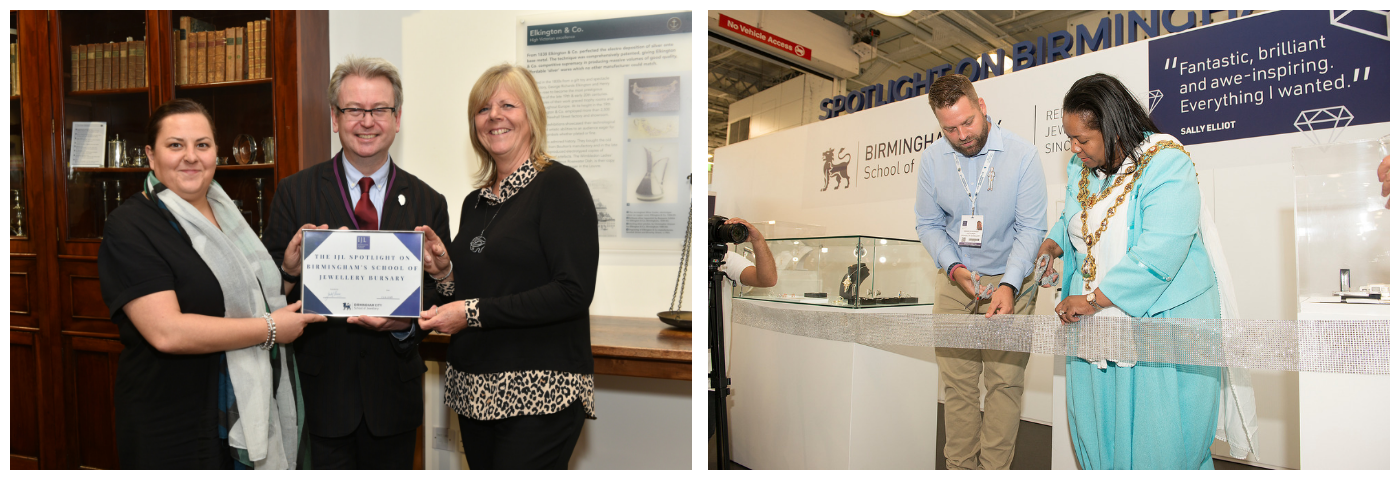
Birmingham’s Jewellery Quarter celebrated by the international jewellery industry THE IJL SPOTLIGHT SHINES ON BIRMINGHAM’S SCHOOL OF JEWELLERY BURSARY : International Jewellery London (IJL), the UK’s leading trade event for the international jewellery industry, is sponsoring a prize ... Read More
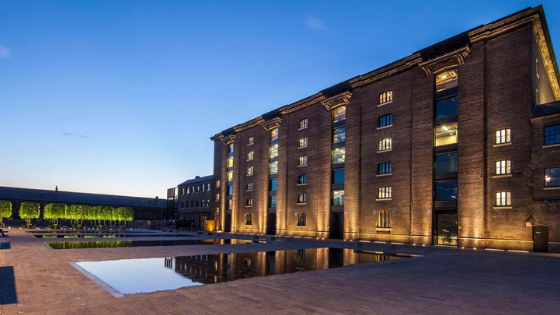
The Goldsmiths’ Centre in London is delighted to reveal the six talented, emerging jewellery and silversmithing businesses chosen for this year’s prestigious business incubation course, Setting Out 2018. Now in its 6th year, Setting Out sees participating young businesses ... Read More
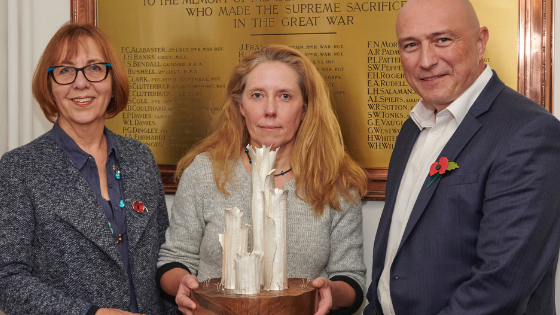
£8000 Silver commission to mark the end of the Great War Birmingham based British Allied Trades Federation (BATF) receive the commemorative ‘Silence Fell’ silverware to mark the end of the Great War. Last year the BATF board decided ... Read More
The Goldsmiths’ Centre in Clerkenwell, London, has launched a new programme of Creative Inspiration Workshops for its over 1,800-strong Link membership. The workshops provide unique opportunities for existing and new members to spark ideas and explore new places, objects and ... Read More
After 8 years at International Jewellery London, Event Manager Sarah Kitley-Spencer is moving on to a corporate communications role within the Reed Exhibitions family. From 1 November, Sarah will be corporate communications manager at Reed. In her current role as ... Read More
Birmingham’s Jewellery Quarter celebrated by the international jewellery industry THE IJL SPOTLIGHT SHINES ON BIRMINGHAM’S SCHOOL OF JEWELLERY BURSARY : International Jewellery London (IJL), the UK’s leading trade event for the international jewellery industry, is sponsoring a prize ... Read More
The Goldsmiths’ Centre in London is delighted to reveal the six talented, emerging jewellery and silversmithing businesses chosen for this year’s prestigious business incubation course, Setting Out 2018. Now in its 6th year, Setting Out sees participating young businesses ... Read More
£8000 Silver commission to mark the end of the Great War Birmingham based British Allied Trades Federation (BATF) receive the commemorative ‘Silence Fell’ silverware to mark the end of the Great War. Last year the BATF board decided ... Read More
The Goldsmiths’ Centre in Clerkenwell, London, has launched a new programme of Creative Inspiration Workshops for its over 1,800-strong Link membership. The workshops provide unique opportunities for existing and new members to spark ideas and explore new places, objects and ... Read More
After 8 years at International Jewellery London, Event Manager Sarah Kitley-Spencer is moving on to a corporate communications role within the Reed Exhibitions family. From 1 November, Sarah will be corporate communications manager at Reed. In her current role as ... Read More
IJL celebrates the 10th anniversary of KickStart – the leading jewellery industry launch pad for up and coming designers
PRESS RELEASE. London, 11 February 2019: International Jewellery London (IJL), long-established and world-leading jewellery trade event, has launched its hunt for the six of the best up and coming UK-based jewellery designers looking to make waves in the trade– KickStart 2019.
UK
up-and-coming jewellery designers, who have been trading for more than 12
months, are invited to apply for IJL’s KickStart. Entries open today (5
February) and the deadline is 9 April 2019.
The six chosen
designers will have access to the many career-boosting benefits, including a
mentoring package, workshop days, ongoing pricing, branding and marketing
support, introductions to key industry figures – and a presence at IJL 2019. The
six designers will also be able to join The National Association of Jewellers
(NAJ), a professional membership body that delivers internationally recognised
qualifications, and bespoke business mentoring, at a discounted rate.
In addition,
to provide extra support, each UK-based winner will receive a bursary funded
directly by the Benevolent Society, to assist with London transport and
accommodation costs.
Katie
Morris, IJL Exhibition Director said:
“Our KickStart programme is a brilliant
platform for ambitious jewellery designers looking to launch their careers. The
programme provides emerging designers with an invaluable experience – our
mentoring initiatives and access to IJL’s trade-only audience provides insider
market knowledge and can open the door to fantastic new opportunities. For the
10th edition of KickStart, we are looking back at the winners from
the past decade, and we are so proud to see how successful the KickStart alumni
have become.”
NAJ Jewellery
Industry Promotions Ambassador, Lindsey Straughton, says: “I
am so thrilled this initiative has reached a 10 year milestone and as those
chosen for KickStart are immediately highlighted as the ‘stars of tomorrow’,
which creates an important media and brand awareness opportunity, which has
proven to be really successful. Retailers will look to you as trend-setters and
future collaborators, so you can’t afford to miss out!”
Previous 2018
KickStart winner,Natalie
Perry; Natalie Perry Jewellery adds: “It was so valuable to be able to
chat to trade professionals at IJL as well as being able to see which pieces
stood out the most to retailers which will help me to develop my collections in
the future.”
2010 winner De Anna Kiernan; De Anna Kiernan
Jewellery said: “IJL is a brilliant opportunity for new brands to meet international
buyers, galleries and fellow designers. I think being prepared for these
meetings is key. Be ready to take orders!”
2009 winner Ulrikke Vogt; Ulrikke Vogt Jewellery said” “KickStart
helped me get a fast growth to my business. I got to know the market in a way I
would have had to work very hard for without the KickStart platform.”
Following these schemes, more established designer
brands can apply to become an IJL Design Gallery Exhibitor – a sign
that their fledgling business has achieved industry success and consumer
recognition.
KickStart, created by jewellery industry hub IJL
and trade body the National Association of Jewellers (NAJ), has over the past ten
years, helped more than 85 contemporary designers launch their careers and get
an all-important foot in the door. KickStart alumni have gone on to have
impressive careers in the jewellery sector.
How to Apply: Visit
jewellerylondon.com/kickstart to apply online. Only those who have been trading
for more than 12 months will be considered. The deadline is 9 April 2019.
IJL 2018 welcomed 500 exhibitors from 39 countries including 15 new countries ranging from South Korea, Czech Republic, Peru
and Colombia to Qatar and Sierra Leone. Diamond Club International, which hosts
the biggest international buyers, saw attendance up by 60% on 2017, with new attendees
in 2018 from Canada and Jersey.
As the 72nd British Academy Film Awards celebrates the best of British filmmaking talent, the stars descend on the Royal Albert Hall decked out in jewellery that would give Hollywood’s most prestigious awards ceremony a run for their money.
Lily Collins, Glenn Close, Claire Foy and Rachel Weisz were among those to dazzle in Cartier, while other stars turned to independent London-based designers such as Viola Davis in Fernando Jorge and Thandie Newton in Solange Azagury-Partridge.
White diamonds reigned supreme on the red carpet, with many stars choosing to wear elegant chandelier earrings- including the Duchess of Cambridge, who wore the most glamorous pair of pearl and diamond earrings in Princess Diana’s collection.
Below is a rundown of the stunning jewellery pieces worn by the best of British film talent.
Cate Blanchett wearing a rose gold, diamond & topaz Ritratto ring, a rose gold, diamond & amethyst Ritratto ring & a rose gold & jet Victoria ring by Pomellato
Amy Adams wearing 18ct white gold, pink tourmaline garnet, chalcedony, mother of pearl & diamond High Jewellery earrings; a vintage platinum, white gold & diamond bracelet; an 18ct white gold, emerald, onyx & diamond Panthere de Cartier bracelet all by Cartier
When I left Vogue after twenty five years as Editor-in-Chief, I was allowed to choose a print from the incredible archives. Since the magazine was founded in 1916, there was over a hundred years of beautiful era-defining photographs and illustrations of the fashions and styles of the day to pick from. Unimaginably elegant women in taffeta and duchesse silk ballgowns, Swinging Sixties black and white shots of Twiggy and Jean Shrimpton in mini dresses, the mannered poses of aristocratic looking models in Dior’s New Age silhouette, were all among the options. How was one to choose?
After many hours of searching I decided on an illustration published in the 1943 Christmas edition by Carl Erickson, one of the famous Vogue illustrators. In pastels and ink it portrays a woman, from the side, her hair swept up to better show off the large double strand of pearls around her neck fastened by a clasp. We can’t see her face but her nails are carmine tipped and she is obviously clipping an earring onto her ear. An enormous cabochon cut diamond is on her wedding finger. The caption read “Give her pearls….not just an anonymous little strand that she might fasten on automatically…..but great big ones like these”. Indeed. The pearls, the diamonds, the suggestion of an earring, together with the delicate and sensuous lines of the image encapsulated so much of not only the subject matter that I worked with at Vogue, but also of something both luxurious and intangible. Certainly this beautiful woman (I assume her beauty even though I can’t see the features of her face) leads a glamorous existence that is demonstrated, along with her sleek up-do and the fashionable neckline of her deep purple dress, by her collection of classic aspirational jewellery. And that might be enough. But as I look at the pearls, the lines of the diamond ring, and imagine the invisible earrings as glittering diamond studs, I am seeing something else. I see privilege, good taste, position in society. She adorns herself in preparation for the evening ahead, the jewellery a statement of who she wants us to think she is. And that’s the thing. Nothing has quite the sweep of purpose as jewellery.
It’s one of the great multi-taskers – a trophy, a token of love, an indicator of status. It adorns and decorates us and has done since the earliest human times. And it is of both great emotional and financial worth. Jewellery is a currency valued by all. What defines something as precious? Why do we all, across so many cultures, centuries and civilisations share this understanding of the worth of jewellery? What gives it such value? Generally societies value most, that which is hard to achieve. Things that are accessible to all are likely to be valued less. Gemstones, gold and silver have to be discovered, extracted, polished, cut and alchemised before they can be turned into jewellery. It’s difficult, labour-intensive and time consuming and demands substantial resources and huge commitment. Because of this fine jewellery has an in-built rarity value. But we also regard it as precious not purely expensive and this is because of the unique combination of attributes – monetary worth, emotional resonance and of course visual appeal. Not only does our jewellery mean something to us but it also means something to those that view us. Jewellery is a sure-fire way to tell those around us, something about ourselves. And this has been the case since the earliest days. Primitive man used a kind of jewellery – ornamentation – to enhance sexual attraction as well as believing that it could be used as protection against all manner of disasters from snakes to evil spirits.
“Jewellery is a sure-fire way to tell those around us something about ourselves”
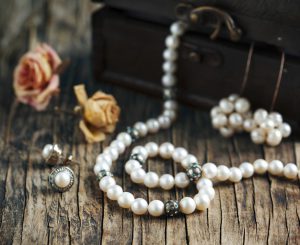
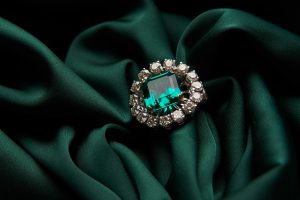
Cleopatra employed jewels to demonstrate her wealth and position, creating a tremendous glamour that seduced those who met her and also enhanced her power. She raided every gem mine in Egypt with a special fondness for emeralds, and not only did she cover her body in jewellery but she used precious metals and stones to decorate her home. Centuries later Napoleon too was a fan of emeralds bestowing them on his favourites who would display them as signs of his pleasure. Caesar ruled that only aristocrats could wear pearls thereby anointing them a visible class status that set the wearers apart. Association with jewellery though has not always had a happy ending. Ill-fated Marie Antoinette was said to have further hastened her journey to the guillotine by her suspected involvement in the famous affair of the diamond necklace, a necklace of unimaginable ostentation. In her case even though she never owned the necklace in question, said to cost over £12 million today, her perceived connection to it was enough to exacerbate her reputation of moral corruption and extravagance.
When we examine contemporary associations with jewellery, there are, incredible as it may be, many of the same notions in play. Despite the massive changes that have taken place on this planet over the last few millennia, jewellery is still used for pretty well the same purposes as it always has been. The inventions fire and the wheel were of practical use, clothing has both practical and moral purpose and food is essential to our survival, but jewellery which has never had anything like as vital a role has been valued in our societies around the globe for as long as any of these. We all have collections, big or small, of personal jewellery and for most of us this includes pieces that are very much more than adornment. They are tangible markers of an important occasion or they carry a sentimental legacy. Often the items we most mind losing or being stolen are the jewellery and watches that we may have inherited – our mother’s ring, the cufflinks our father wore for best, our grandmother’s brooch.
My own collection of jewellery, while not enormous nor particularly valuable is filled with pieces that are a part of my personal history. There is the square gold ring with a tiny diamond that my godmother gave me. She was married to a South African diamond tycoon and long after their divorce she split up a necklace that he had given her into individual diamonds, one of which she had made into identical rings to give to each of her god-daughters. I wear it every day and have done for over forty years. There is the gold and topaz necklace that my father gave my mother on the occasion of my birth – I was the first born of three and I don’t believe a similar gift followed after the other two popped out! A delicate filigree web holds the dozen, faintly rosetinted topaz in a necklace that falls just inside the collarbone. Topaz is my birthstone and eventually my mother passed on the necklace, in its original satin cushioned, black leather case, to me. Strangely it is only now, that I have begun to wear it and each time I do I picture my late father and hear his much missed voice whilst loving the thought of its genesis. There was the beautiful silver and aquamarine antique ring I treated myself to after a particularly successful Vogue event I hosted where we managed to corral a high-profile mix of Prince Charles, Kylie Minogue, Giorgio Armani and Lord Rothschild but like too many pieces of my jewellery, it was lost. I feared thrown by myself in the rubbish bin clearing up a dinner party. And for my last milestone birthday my sister gave me a gorgeous old diamond belle époque necklace created by a jeweller at the Russian court.
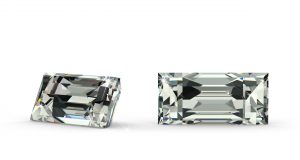
Our jewellery tells us the stories of our life, so no wonder we treasure it so. And not only does it carry with it our experiences and memories, our family, our lovers and often our successes but it has forever been treasured for its portability. The stories are legion of how jewellery has been invaluable in times of crisis: The aptly named baguette cut diamonds literally exchanged for baguettes in French Revolutionary times, the White Russians fleeing with their heirlooms sewn into their hems. When bank accounts can be frozen, property seized and art bulky to hide away, jewellery is the safest asset of them all. Currently jewellery is riding a new wave in terms of fashion credibility. Since the Sixties fine jewellery has had a hard time positioning itself as part of the contemporary fashion scene. There was no lack of appeal in the glamour stakes but fashion, with its inbuilt need for change has been a harder nut to crack. There was something about rejection of values considered as old fashioned during that period which robbed fine jewellery of its fashion status. Youthquake earrings were pop art Perspex discs rather than chandelier diamonds, bracelets were likely to be hippie silks rather than gold cuffs. Expensive jewellery was regarded as something that belonged to the old folk, mouldering in their stately homes or Riviera villas. Fine jewellery had lost its cool. Of course, due to the lasting values of jewellery it has continued to be big business but, in the main has operated outside fashion. Instead the famous fine jewellers loan jewels for high profile events like the Oscars and Cannes Film Festival for positioning rather than relying on fashion magazine covers. But things are changing…
“Currently jewellery is riding a new wave in terms of fashion credibility”
The growing rejection of fast fashion, the interest in sustainability, the trend towards owning less but better – all lead in the direction of the desirability of precious jewellery. During the Haute Couture weeks in Paris, luxury jewellery houses have started putting on their own events attended not only by clients but now by the fashion press. We are reconsidering our possessions and examining our shopping habits in every area. We want to treasure what we own, rather than enjoying it for a short time and then consigning it to the dustheap. As a result in recent years there has been an explosion of new jewellery brands and designers as we move away from the mentality of a new It-bag every season towards investing in a permanent collection of jewellery. An increasing appreciation of the craft and individuality of the object has also contributed to the fashionability of jewellery. Even the trend for multiple piercings which has now gone mainstream has seen a growth in highly valuable adornments of this kind. For the first time in decades real jewellery is beginning to be seen again as a key part of the fashion scene and this has resulted in the expansion of the demi-fine jewellery category, positioned between fine and costume. This has also played into the fact that the new big sector in the jewellery market is women buying for themselves. No longer do we feel there is something a little tragic about buying our own jewellery, as if the piece is somehow of greater worth if it has been gifted. Instead fine jewellery is becoming one of the most popular ways women reward themselves for a moment of career success, or celebrate a personal event. Gone are the sentiments so brilliantly stated in Diamonds are a Girls Best Friend – “Men grow cold as girls grow old/ we all lose our charms in the end/ but square cut or pear shape/ those rocks don’t lose their shape”.
In our fast moving, social media driven, politically motivated world jewellery, as it has always been, is a reliable and cherished treasure. No wonder its future remains sparkling.
Alexandra Shulman will be joining us at ‘An Evening with Alexandra Shulman and Dinny Hall’ at Liberty London. This event is now sold out but to be kept up to date and be first in line for tickets to all future IJL events please register your interest at www.internationaljewellerylondon.com/ijlevents
International Jewellery London (IJL), the long-established and world-leading jewellery trade event, are hosting an evening with jewellery designer Dinny Hall and journalist Alexandra Shulman. It is the first in a series of year-round consumer events hosted by IJL with top jewellery designers, industry experts and influencers.
Dinny Hall and Alexandra Shulman will be in conversation at Liberty London, the store where Dinny Hall Jewellery’s appeal has soared. In this landmark setting they will discuss jewellery, creativity, tomorrow’s talent, and much more.
Katie Morris, IJL Exhibition Director said: “IJL is delighted to be hosting these two trailblazing women at the first of our consumer events next month. The consumer reception for this event has been brilliant and it is fantastic that the event is sold out. This is part of IJL’s work with the UK jewellery industry to tell the story of the UK jewellery; the designers, the manufacturers, the retailers and the skill. The events will give the consumer a chance to learn more about the passion and dedication of those in the sector.”
This event is now sold out however IJL will be running more events like this throughout the year. Keep up to date and be first in line for tickets by visiting: www.jewellerylondon.com/ijlevents and signing up to the IJL consumer events mailing list.
IJL 2018 welcomed 500 exhibitors from 39 countries including 15 new countries ranging from South Korea, Czech Republic, Peru and Colombia to Qatar and Sierra Leone. Diamond Club International, which hosts the biggest international buyers, saw attendance up by 60% on 2017, with new attendees in 2018 from Canada and Jersey.
IJL celebrates the 10th anniversary of KickStart – the leading jewellery industry launch pad for up and coming designers
PRESS RELEASE. London, 11 February 2019: International Jewellery London (IJL), long-established and world-leading jewellery trade event, has launched its hunt for the six of the best up and coming UK-based jewellery designers looking to make waves in the trade– KickStart 2019.
UK
up-and-coming jewellery designers, who have been trading for more than 12
months, are invited to apply for IJL’s KickStart. Entries open today (5
February) and the deadline is 9 April 2019.
The six chosen
designers will have access to the many career-boosting benefits, including a
mentoring package, workshop days, ongoing pricing, branding and marketing
support, introductions to key industry figures – and a presence at IJL 2019. The
six designers will also be able to join The National Association of Jewellers
(NAJ), a professional membership body that delivers internationally recognised
qualifications, and bespoke business mentoring, at a discounted rate.
In addition,
to provide extra support, each UK-based winner will receive a bursary funded
directly by the Benevolent Society, to assist with London transport and
accommodation costs.
Katie
Morris, IJL Exhibition Director said:
“Our KickStart programme is a brilliant
platform for ambitious jewellery designers looking to launch their careers. The
programme provides emerging designers with an invaluable experience – our
mentoring initiatives and access to IJL’s trade-only audience provides insider
market knowledge and can open the door to fantastic new opportunities. For the
10th edition of KickStart, we are looking back at the winners from
the past decade, and we are so proud to see how successful the KickStart alumni
have become.”
NAJ Jewellery
Industry Promotions Ambassador, Lindsey Straughton, says: “I
am so thrilled this initiative has reached a 10 year milestone and as those
chosen for KickStart are immediately highlighted as the ‘stars of tomorrow’,
which creates an important media and brand awareness opportunity, which has
proven to be really successful. Retailers will look to you as trend-setters and
future collaborators, so you can’t afford to miss out!”
Previous 2018
KickStart winner,Natalie
Perry; Natalie Perry Jewellery adds: “It was so valuable to be able to
chat to trade professionals at IJL as well as being able to see which pieces
stood out the most to retailers which will help me to develop my collections in
the future.”
2010 winner De Anna Kiernan; De Anna Kiernan
Jewellery said: “IJL is a brilliant opportunity for new brands to meet international
buyers, galleries and fellow designers. I think being prepared for these
meetings is key. Be ready to take orders!”
2009 winner Ulrikke Vogt; Ulrikke Vogt Jewellery said” “KickStart
helped me get a fast growth to my business. I got to know the market in a way I
would have had to work very hard for without the KickStart platform.”
Following these schemes, more established designer
brands can apply to become an IJL Design Gallery Exhibitor – a sign
that their fledgling business has achieved industry success and consumer
recognition.
KickStart, created by jewellery industry hub IJL
and trade body the National Association of Jewellers (NAJ), has over the past ten
years, helped more than 85 contemporary designers launch their careers and get
an all-important foot in the door. KickStart alumni have gone on to have
impressive careers in the jewellery sector.
How to Apply: Visit
jewellerylondon.com/kickstart to apply online. Only those who have been trading
for more than 12 months will be considered. The deadline is 9 April 2019.
IJL 2018 welcomed 500 exhibitors from 39 countries including 15 new countries ranging from South Korea, Czech Republic, Peru
and Colombia to Qatar and Sierra Leone. Diamond Club International, which hosts
the biggest international buyers, saw attendance up by 60% on 2017, with new attendees
in 2018 from Canada and Jersey.
As the 72nd British Academy Film Awards celebrates the best of British filmmaking talent, the stars descend on the Royal Albert Hall decked out in jewellery that would give Hollywood’s most prestigious awards ceremony a run for their money.
Lily Collins, Glenn Close, Claire Foy and Rachel Weisz were among those to dazzle in Cartier, while other stars turned to independent London-based designers such as Viola Davis in Fernando Jorge and Thandie Newton in Solange Azagury-Partridge.
White diamonds reigned supreme on the red carpet, with many stars choosing to wear elegant chandelier earrings- including the Duchess of Cambridge, who wore the most glamorous pair of pearl and diamond earrings in Princess Diana’s collection.
Below is a rundown of the stunning jewellery pieces worn by the best of British film talent.
Cate Blanchett wearing a rose gold, diamond & topaz Ritratto ring, a rose gold, diamond & amethyst Ritratto ring & a rose gold & jet Victoria ring by Pomellato
Amy Adams wearing 18ct white gold, pink tourmaline garnet, chalcedony, mother of pearl & diamond High Jewellery earrings; a vintage platinum, white gold & diamond bracelet; an 18ct white gold, emerald, onyx & diamond Panthere de Cartier bracelet all by Cartier
When I left Vogue after twenty five years as Editor-in-Chief, I was allowed to choose a print from the incredible archives. Since the magazine was founded in 1916, there was over a hundred years of beautiful era-defining photographs and illustrations of the fashions and styles of the day to pick from. Unimaginably elegant women in taffeta and duchesse silk ballgowns, Swinging Sixties black and white shots of Twiggy and Jean Shrimpton in mini dresses, the mannered poses of aristocratic looking models in Dior’s New Age silhouette, were all among the options. How was one to choose?
After many hours of searching I decided on an illustration published in the 1943 Christmas edition by Carl Erickson, one of the famous Vogue illustrators. In pastels and ink it portrays a woman, from the side, her hair swept up to better show off the large double strand of pearls around her neck fastened by a clasp. We can’t see her face but her nails are carmine tipped and she is obviously clipping an earring onto her ear. An enormous cabochon cut diamond is on her wedding finger. The caption read “Give her pearls….not just an anonymous little strand that she might fasten on automatically…..but great big ones like these”. Indeed. The pearls, the diamonds, the suggestion of an earring, together with the delicate and sensuous lines of the image encapsulated so much of not only the subject matter that I worked with at Vogue, but also of something both luxurious and intangible. Certainly this beautiful woman (I assume her beauty even though I can’t see the features of her face) leads a glamorous existence that is demonstrated, along with her sleek up-do and the fashionable neckline of her deep purple dress, by her collection of classic aspirational jewellery. And that might be enough. But as I look at the pearls, the lines of the diamond ring, and imagine the invisible earrings as glittering diamond studs, I am seeing something else. I see privilege, good taste, position in society. She adorns herself in preparation for the evening ahead, the jewellery a statement of who she wants us to think she is. And that’s the thing. Nothing has quite the sweep of purpose as jewellery.
It’s one of the great multi-taskers – a trophy, a token of love, an indicator of status. It adorns and decorates us and has done since the earliest human times. And it is of both great emotional and financial worth. Jewellery is a currency valued by all. What defines something as precious? Why do we all, across so many cultures, centuries and civilisations share this understanding of the worth of jewellery? What gives it such value? Generally societies value most, that which is hard to achieve. Things that are accessible to all are likely to be valued less. Gemstones, gold and silver have to be discovered, extracted, polished, cut and alchemised before they can be turned into jewellery. It’s difficult, labour-intensive and time consuming and demands substantial resources and huge commitment. Because of this fine jewellery has an in-built rarity value. But we also regard it as precious not purely expensive and this is because of the unique combination of attributes – monetary worth, emotional resonance and of course visual appeal. Not only does our jewellery mean something to us but it also means something to those that view us. Jewellery is a sure-fire way to tell those around us, something about ourselves. And this has been the case since the earliest days. Primitive man used a kind of jewellery – ornamentation – to enhance sexual attraction as well as believing that it could be used as protection against all manner of disasters from snakes to evil spirits.
“Jewellery is a sure-fire way to tell those around us something about ourselves”
Cleopatra employed jewels to demonstrate her wealth and position, creating a tremendous glamour that seduced those who met her and also enhanced her power. She raided every gem mine in Egypt with a special fondness for emeralds, and not only did she cover her body in jewellery but she used precious metals and stones to decorate her home. Centuries later Napoleon too was a fan of emeralds bestowing them on his favourites who would display them as signs of his pleasure. Caesar ruled that only aristocrats could wear pearls thereby anointing them a visible class status that set the wearers apart. Association with jewellery though has not always had a happy ending. Ill-fated Marie Antoinette was said to have further hastened her journey to the guillotine by her suspected involvement in the famous affair of the diamond necklace, a necklace of unimaginable ostentation. In her case even though she never owned the necklace in question, said to cost over £12 million today, her perceived connection to it was enough to exacerbate her reputation of moral corruption and extravagance.
When we examine contemporary associations with jewellery, there are, incredible as it may be, many of the same notions in play. Despite the massive changes that have taken place on this planet over the last few millennia, jewellery is still used for pretty well the same purposes as it always has been. The inventions fire and the wheel were of practical use, clothing has both practical and moral purpose and food is essential to our survival, but jewellery which has never had anything like as vital a role has been valued in our societies around the globe for as long as any of these. We all have collections, big or small, of personal jewellery and for most of us this includes pieces that are very much more than adornment. They are tangible markers of an important occasion or they carry a sentimental legacy. Often the items we most mind losing or being stolen are the jewellery and watches that we may have inherited – our mother’s ring, the cufflinks our father wore for best, our grandmother’s brooch.
My own collection of jewellery, while not enormous nor particularly valuable is filled with pieces that are a part of my personal history. There is the square gold ring with a tiny diamond that my godmother gave me. She was married to a South African diamond tycoon and long after their divorce she split up a necklace that he had given her into individual diamonds, one of which she had made into identical rings to give to each of her god-daughters. I wear it every day and have done for over forty years. There is the gold and topaz necklace that my father gave my mother on the occasion of my birth – I was the first born of three and I don’t believe a similar gift followed after the other two popped out! A delicate filigree web holds the dozen, faintly rosetinted topaz in a necklace that falls just inside the collarbone. Topaz is my birthstone and eventually my mother passed on the necklace, in its original satin cushioned, black leather case, to me. Strangely it is only now, that I have begun to wear it and each time I do I picture my late father and hear his much missed voice whilst loving the thought of its genesis. There was the beautiful silver and aquamarine antique ring I treated myself to after a particularly successful Vogue event I hosted where we managed to corral a high-profile mix of Prince Charles, Kylie Minogue, Giorgio Armani and Lord Rothschild but like too many pieces of my jewellery, it was lost. I feared thrown by myself in the rubbish bin clearing up a dinner party. And for my last milestone birthday my sister gave me a gorgeous old diamond belle époque necklace created by a jeweller at the Russian court.
Our jewellery tells us the stories of our life, so no wonder we treasure it so. And not only does it carry with it our experiences and memories, our family, our lovers and often our successes but it has forever been treasured for its portability. The stories are legion of how jewellery has been invaluable in times of crisis: The aptly named baguette cut diamonds literally exchanged for baguettes in French Revolutionary times, the White Russians fleeing with their heirlooms sewn into their hems. When bank accounts can be frozen, property seized and art bulky to hide away, jewellery is the safest asset of them all. Currently jewellery is riding a new wave in terms of fashion credibility. Since the Sixties fine jewellery has had a hard time positioning itself as part of the contemporary fashion scene. There was no lack of appeal in the glamour stakes but fashion, with its inbuilt need for change has been a harder nut to crack. There was something about rejection of values considered as old fashioned during that period which robbed fine jewellery of its fashion status. Youthquake earrings were pop art Perspex discs rather than chandelier diamonds, bracelets were likely to be hippie silks rather than gold cuffs. Expensive jewellery was regarded as something that belonged to the old folk, mouldering in their stately homes or Riviera villas. Fine jewellery had lost its cool. Of course, due to the lasting values of jewellery it has continued to be big business but, in the main has operated outside fashion. Instead the famous fine jewellers loan jewels for high profile events like the Oscars and Cannes Film Festival for positioning rather than relying on fashion magazine covers. But things are changing…
“Currently jewellery is riding a new wave in terms of fashion credibility”
The growing rejection of fast fashion, the interest in sustainability, the trend towards owning less but better – all lead in the direction of the desirability of precious jewellery. During the Haute Couture weeks in Paris, luxury jewellery houses have started putting on their own events attended not only by clients but now by the fashion press. We are reconsidering our possessions and examining our shopping habits in every area. We want to treasure what we own, rather than enjoying it for a short time and then consigning it to the dustheap. As a result in recent years there has been an explosion of new jewellery brands and designers as we move away from the mentality of a new It-bag every season towards investing in a permanent collection of jewellery. An increasing appreciation of the craft and individuality of the object has also contributed to the fashionability of jewellery. Even the trend for multiple piercings which has now gone mainstream has seen a growth in highly valuable adornments of this kind. For the first time in decades real jewellery is beginning to be seen again as a key part of the fashion scene and this has resulted in the expansion of the demi-fine jewellery category, positioned between fine and costume. This has also played into the fact that the new big sector in the jewellery market is women buying for themselves. No longer do we feel there is something a little tragic about buying our own jewellery, as if the piece is somehow of greater worth if it has been gifted. Instead fine jewellery is becoming one of the most popular ways women reward themselves for a moment of career success, or celebrate a personal event. Gone are the sentiments so brilliantly stated in Diamonds are a Girls Best Friend – “Men grow cold as girls grow old/ we all lose our charms in the end/ but square cut or pear shape/ those rocks don’t lose their shape”.
In our fast moving, social media driven, politically motivated world jewellery, as it has always been, is a reliable and cherished treasure. No wonder its future remains sparkling.
Alexandra Shulman will be joining us at ‘An Evening with Alexandra Shulman and Dinny Hall’ at Liberty London. This event is now sold out but to be kept up to date and be first in line for tickets to all future IJL events please register your interest at www.internationaljewellerylondon.com/ijlevents
International Jewellery London (IJL), the long-established and world-leading jewellery trade event, are hosting an evening with jewellery designer Dinny Hall and journalist Alexandra Shulman. It is the first in a series of year-round consumer events hosted by IJL with top jewellery designers, industry experts and influencers.
Dinny Hall and Alexandra Shulman will be in conversation at Liberty London, the store where Dinny Hall Jewellery’s appeal has soared. In this landmark setting they will discuss jewellery, creativity, tomorrow’s talent, and much more.
Katie Morris, IJL Exhibition Director said: “IJL is delighted to be hosting these two trailblazing women at the first of our consumer events next month. The consumer reception for this event has been brilliant and it is fantastic that the event is sold out. This is part of IJL’s work with the UK jewellery industry to tell the story of the UK jewellery; the designers, the manufacturers, the retailers and the skill. The events will give the consumer a chance to learn more about the passion and dedication of those in the sector.”
This event is now sold out however IJL will be running more events like this throughout the year. Keep up to date and be first in line for tickets by visiting: www.jewellerylondon.com/ijlevents and signing up to the IJL consumer events mailing list.
IJL 2018 welcomed 500 exhibitors from 39 countries including 15 new countries ranging from South Korea, Czech Republic, Peru and Colombia to Qatar and Sierra Leone. Diamond Club International, which hosts the biggest international buyers, saw attendance up by 60% on 2017, with new attendees in 2018 from Canada and Jersey.