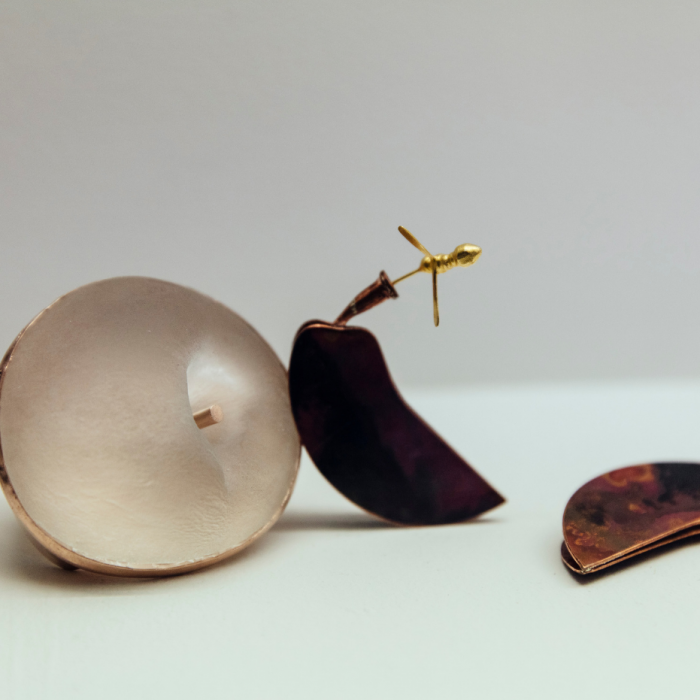
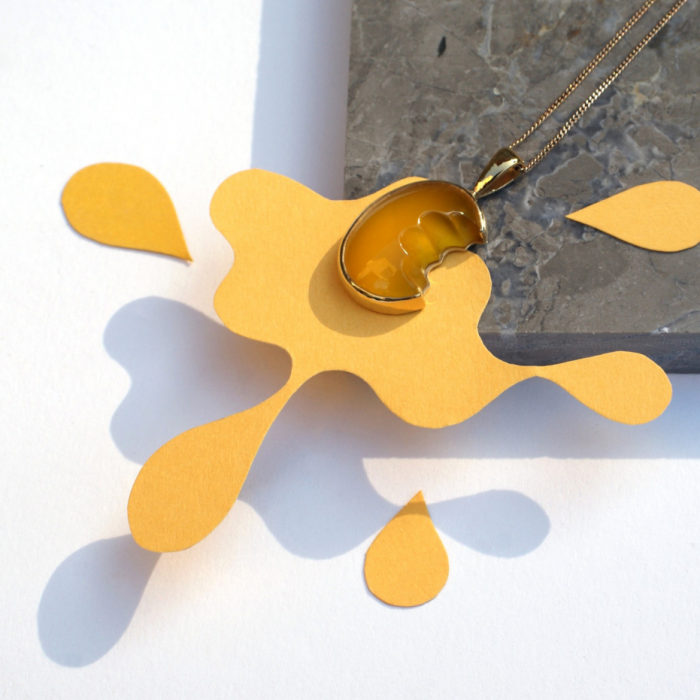
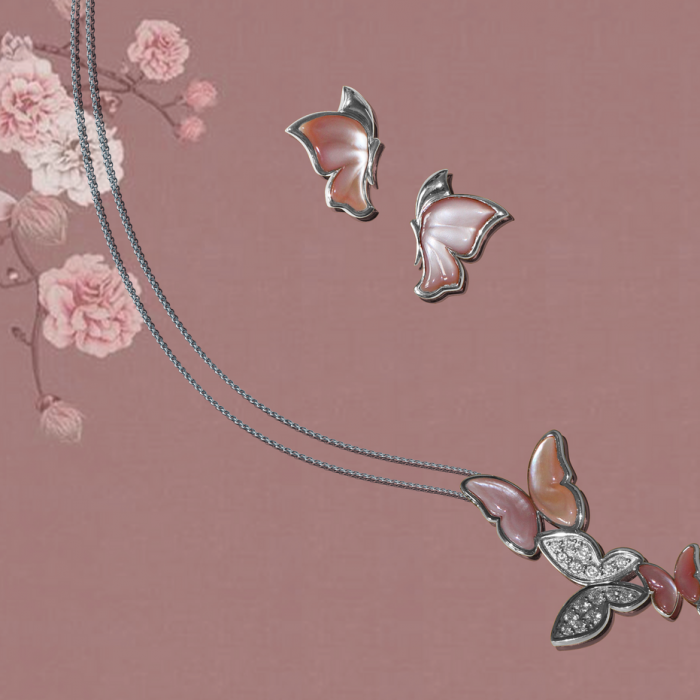
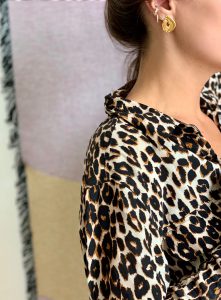
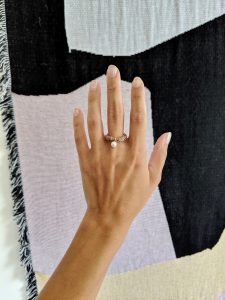
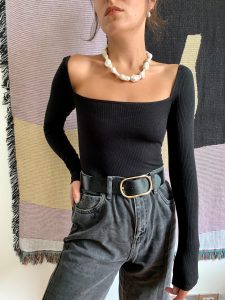
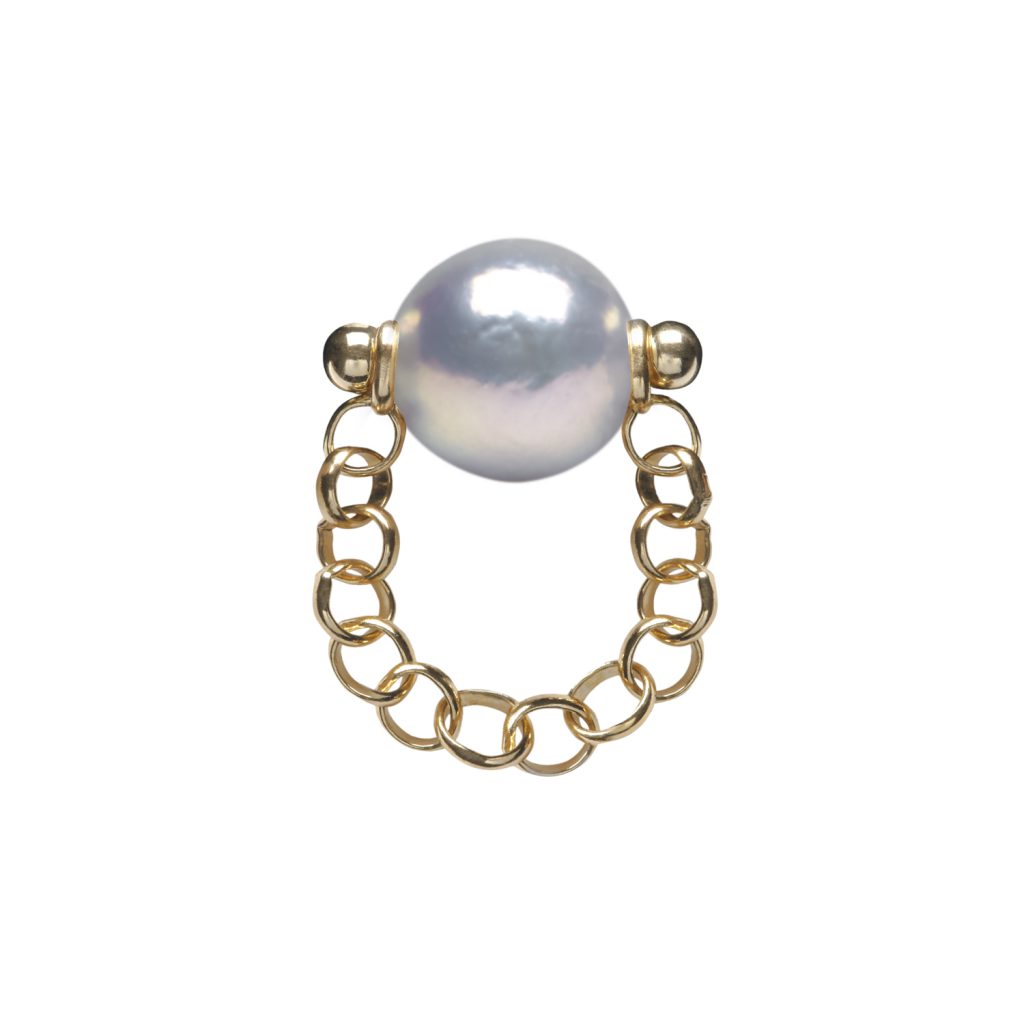
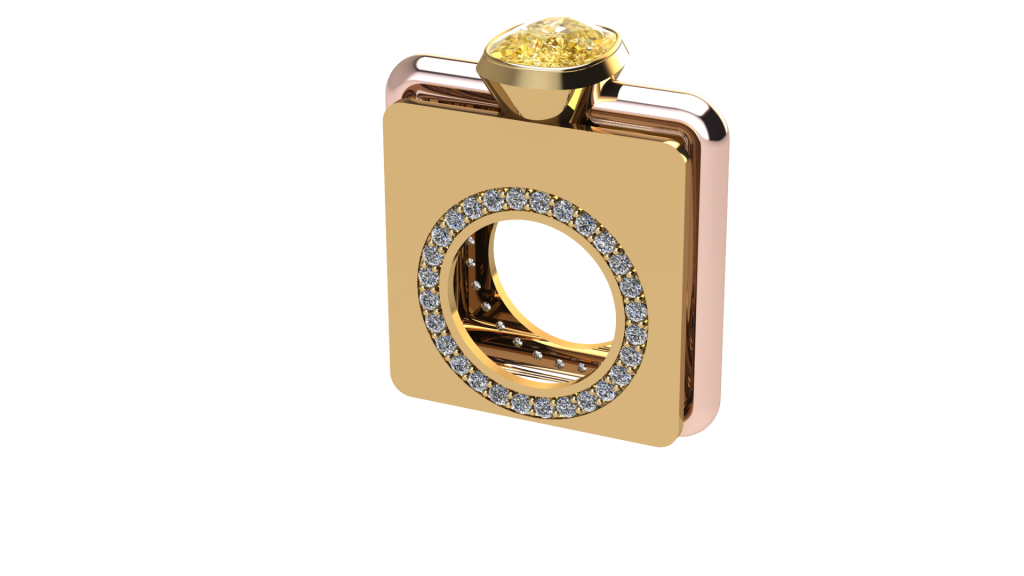
The curiosity for the materials and crafts that Lukas Grewenig developed growing up defines the basis for his brand LUKASCASPAR jewellery. Innovation plays a big role in his first collection ...
The winners will be announced at the UK’s Leading Jewellery Trade Event. International Jewellery London (IJL), the global meeting place for the jewellery industry, has today announced the shortlist for ...
Founded in 2016 by husband and wife duo, Philip and Kirsty, Anunnaki Jewels is a fine jewellery company who specialise in unique adornments, inspired by Earths ancient past and civilisations, that ...
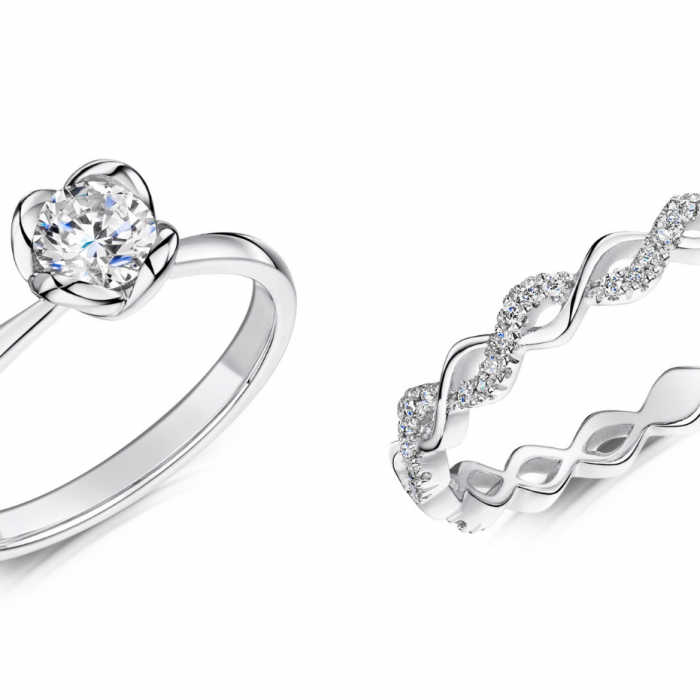
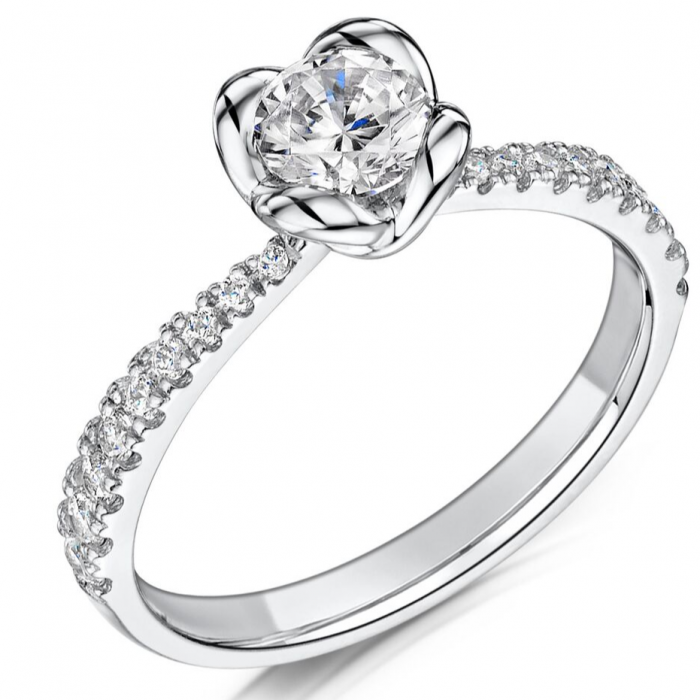
The British jewellery specialist’s long-standing wedding ring brand has been completely revitalised and will be formally unveiled at International Jewellery London 2019. British casting specialist and fine jewellery manufacturer, Hockley ...
Eloise Kramer is a British designer/maker who tells romantic, whimsical stories through jewellery. Developing poetic narratives though, she balances figurative elements inspired by art and nature with clean line and ...
At IJL, jewellery sales, stock monitoring and back-office technology market leader Pursuit is staging a Grand Prix racing challenge. IJL visitors will be able to race with each other on ...
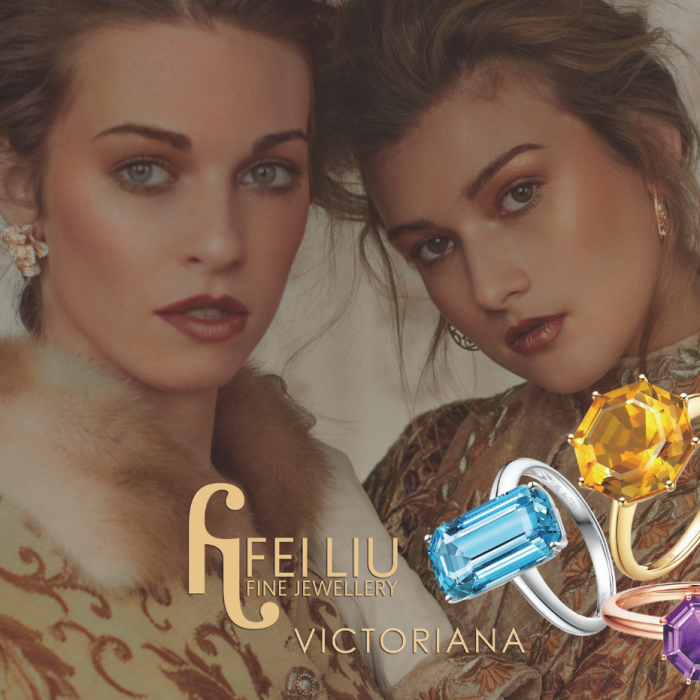
British brand Fei Liu launches new 18ct gold collection with a lavish campaign. Amidst uncertainty in the UK, Fei Liu Fine Jewellery has seen a shift in consumer purchasing habits. ...
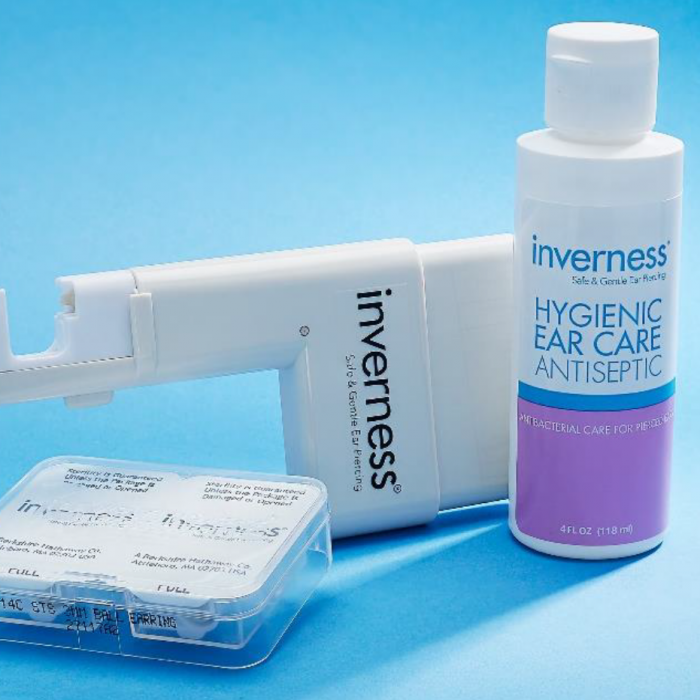
Service-focused distributor is ideal for offering ear piercing in the fine jewelry channel Inverness, maker of the world’s safest & gentlest ear piercing system*, is pleased to announce that Goodman ...
The new Embrace collection will be available fully finished with a choice of diamonds and precious gemstones from September 2019. British casting specialist and fine jewellery manufacturer, Hockley Mint, has ...
At IJL, jewellery sales, stock monitoring and back-office technology market leader Pursuit is staging a Grand Prix racing challenge. IJL visitors will be able to race with each other on ...
British brand Fei Liu launches new 18ct gold collection with a lavish campaign. Amidst uncertainty in the UK, Fei Liu Fine Jewellery has seen a shift in consumer purchasing habits. ...
Service-focused distributor is ideal for offering ear piercing in the fine jewelry channel Inverness, maker of the world’s safest & gentlest ear piercing system*, is pleased to announce that Goodman ...
The new Embrace collection will be available fully finished with a choice of diamonds and precious gemstones from September 2019. British casting specialist and fine jewellery manufacturer, Hockley Mint, has ...
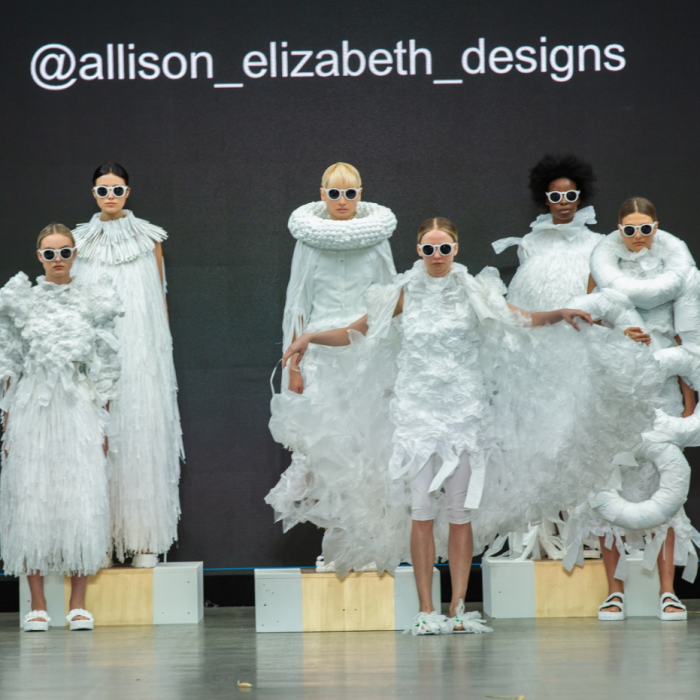
International Jewellery London (IJL) 2019 announces a unique collaboration with Graduate Fashion Week (GFW). In a show first, the IJL Catwalk will showcase the inspirational final year collections of six ...
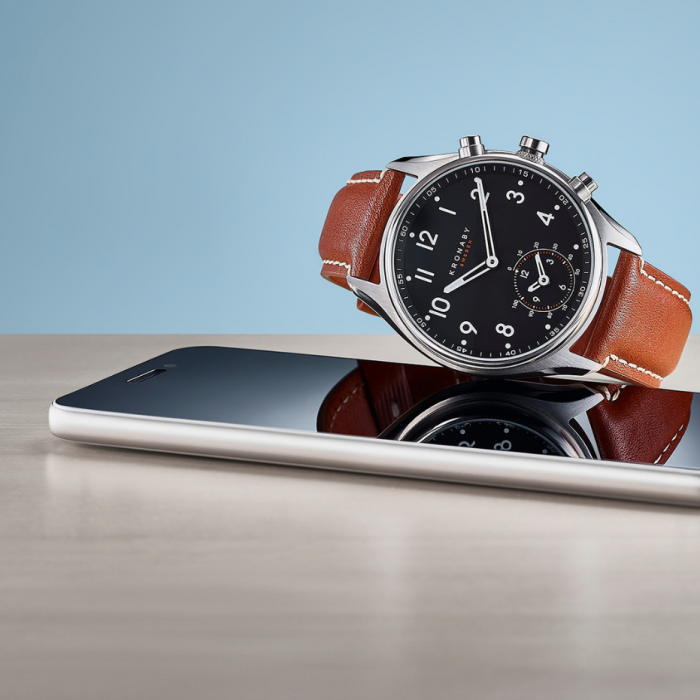
The Festina Group has confirmed the appointment of Unique & Co as the UK distributor of the recently acquired and renowned Kronaby hybrid watch brand. London based, Unique & Co ...
Isla Gilham graduated from Central Saint Martins in 2018 and, since then has set up her own workshop in Somerset where she has continued to create precious pieces with playful ...
Hannah Blackwood Jewellery aims to inspire the wearer to make the most of everyday and to live like it was their last day. Hannah marries traditional jewellery making with the ...
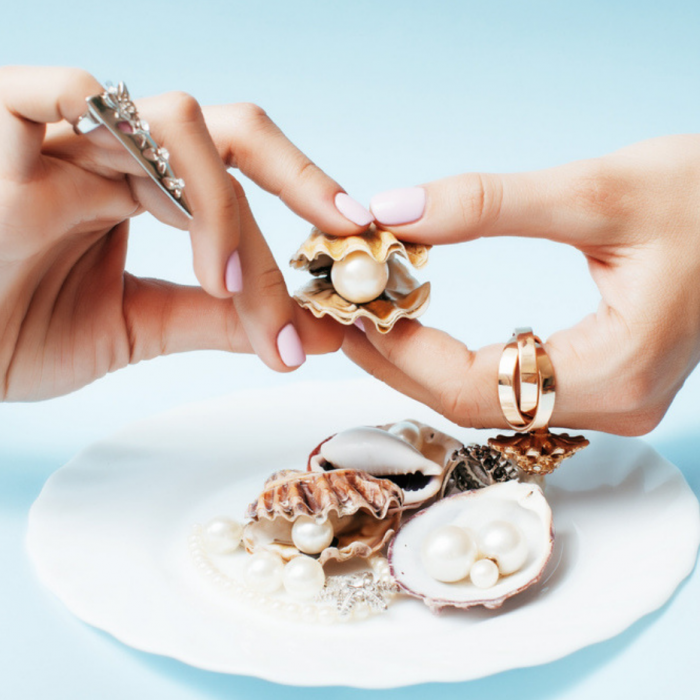
Lightweight Akoya pearl jewellery designs and baroque pearls are hotly sought after by customers, UK suppliers say. “The designs which have been most successful for us this year are those ...
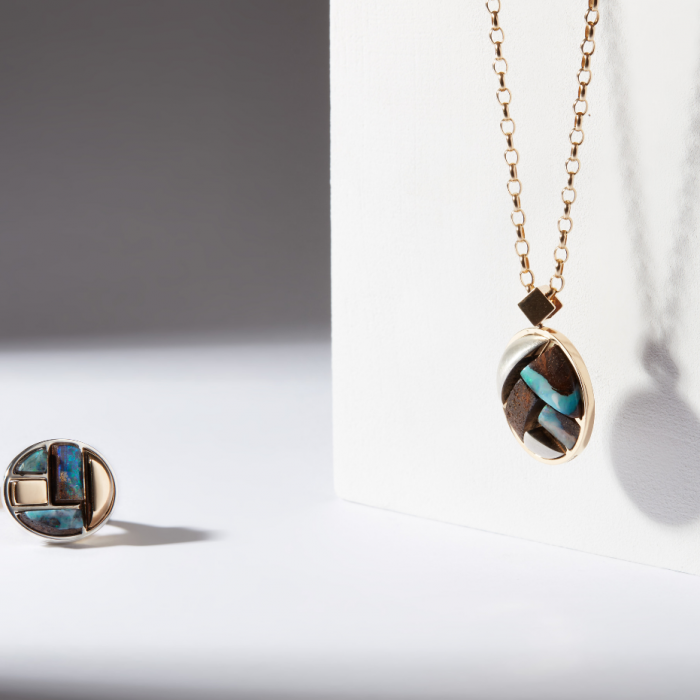
Lingjun Sun has recently completed a two-year MA Jewellery Design project at Central Saint Martins, after having worked for 10 years as an Opal cutter in Australia. Within the carefully ...
The curiosity for the materials and crafts that Lukas Grewenig developed growing up defines the basis for his brand LUKASCASPAR jewellery. Innovation plays a big role in his first collection ...
The winners will be announced at the UK’s Leading Jewellery Trade Event. International Jewellery London (IJL), the global meeting place for the jewellery industry, has today announced the shortlist for ...
Founded in 2016 by husband and wife duo, Philip and Kirsty, Anunnaki Jewels is a fine jewellery company who specialise in unique adornments, inspired by Earths ancient past and civilisations, that ...
The British jewellery specialist’s long-standing wedding ring brand has been completely revitalised and will be formally unveiled at International Jewellery London 2019. British casting specialist and fine jewellery manufacturer, Hockley ...
Eloise Kramer is a British designer/maker who tells romantic, whimsical stories through jewellery. Developing poetic narratives though, she balances figurative elements inspired by art and nature with clean line and ...
At IJL, jewellery sales, stock monitoring and back-office technology market leader Pursuit is staging a Grand Prix racing challenge. IJL visitors will be able to race with each other on ...
British brand Fei Liu launches new 18ct gold collection with a lavish campaign. Amidst uncertainty in the UK, Fei Liu Fine Jewellery has seen a shift in consumer purchasing habits. ...
Service-focused distributor is ideal for offering ear piercing in the fine jewelry channel Inverness, maker of the world’s safest & gentlest ear piercing system*, is pleased to announce that Goodman ...
The new Embrace collection will be available fully finished with a choice of diamonds and precious gemstones from September 2019. British casting specialist and fine jewellery manufacturer, Hockley Mint, has ...
At IJL, jewellery sales, stock monitoring and back-office technology market leader Pursuit is staging a Grand Prix racing challenge. IJL visitors will be able to race with each other on ...
British brand Fei Liu launches new 18ct gold collection with a lavish campaign. Amidst uncertainty in the UK, Fei Liu Fine Jewellery has seen a shift in consumer purchasing habits. ...
Service-focused distributor is ideal for offering ear piercing in the fine jewelry channel Inverness, maker of the world’s safest & gentlest ear piercing system*, is pleased to announce that Goodman ...
The new Embrace collection will be available fully finished with a choice of diamonds and precious gemstones from September 2019. British casting specialist and fine jewellery manufacturer, Hockley Mint, has ...
International Jewellery London (IJL) 2019 announces a unique collaboration with Graduate Fashion Week (GFW). In a show first, the IJL Catwalk will showcase the inspirational final year collections of six ...
The Festina Group has confirmed the appointment of Unique & Co as the UK distributor of the recently acquired and renowned Kronaby hybrid watch brand. London based, Unique & Co ...
Isla Gilham graduated from Central Saint Martins in 2018 and, since then has set up her own workshop in Somerset where she has continued to create precious pieces with playful ...
Hannah Blackwood Jewellery aims to inspire the wearer to make the most of everyday and to live like it was their last day. Hannah marries traditional jewellery making with the ...
Lightweight Akoya pearl jewellery designs and baroque pearls are hotly sought after by customers, UK suppliers say. “The designs which have been most successful for us this year are those ...
Lingjun Sun has recently completed a two-year MA Jewellery Design project at Central Saint Martins, after having worked for 10 years as an Opal cutter in Australia. Within the carefully ...
Isabella Liu is a leading jewellery designer and artist. She was born in Wuhan, China, and currently based in London. Isabella commenced the BA in Jewellery Design and Related Products at Birmingham City University’s School of Jewellery, and MA in ... Read More
Raw Pearls, one of 2019’s most celebrated pearl jewellery suppliers, have just released the fourth installment of their online training programme, Pearl Academy by Raw Pearls. Part 4 is called ‘Value Factors’ and looks at the 7 main qualities that ... Read More
Today the Goldsmiths’ Centre, the UK’s leading charity for the professional training of goldsmiths, announced world-renowned British designer Solange Azagury-Partridge as its keynote speaker for its prestigious business taster programme, Getting Started 2020. Renowned for her jewellery and interior designs, ... Read More
The Birmingham-based fine jewellery manufacturer experienced strong demand for its new Embrace bridal collection. British casting specialist and fine jewellery manufacturer, Hockley Mint, is celebrating the success of its new Embrace collection at IJL 2019, especially pieces designed with a ... Read More
Raw Pearls, one of the UK’s leading pearl jewellery suppliers, have announced that they had their most successful IJL ever after exhibiting there earlier this week for what was their 6th year at Olympia. Many visitors took advantage of ... Read More
Isabella Liu is a leading jewellery designer and artist. She was born in Wuhan, China, and currently based in London. Isabella commenced the BA in Jewellery Design and Related Products at Birmingham City University’s School of Jewellery, and MA in ... Read More
Raw Pearls, one of 2019’s most celebrated pearl jewellery suppliers, have just released the fourth installment of their online training programme, Pearl Academy by Raw Pearls. Part 4 is called ‘Value Factors’ and looks at the 7 main qualities that ... Read More
Today the Goldsmiths’ Centre, the UK’s leading charity for the professional training of goldsmiths, announced world-renowned British designer Solange Azagury-Partridge as its keynote speaker for its prestigious business taster programme, Getting Started 2020. Renowned for her jewellery and interior designs, ... Read More
The Birmingham-based fine jewellery manufacturer experienced strong demand for its new Embrace bridal collection. British casting specialist and fine jewellery manufacturer, Hockley Mint, is celebrating the success of its new Embrace collection at IJL 2019, especially pieces designed with a ... Read More
Raw Pearls, one of the UK’s leading pearl jewellery suppliers, have announced that they had their most successful IJL ever after exhibiting there earlier this week for what was their 6th year at Olympia. Many visitors took advantage of ... Read More
The trend for personalisation hit an all-time high this year when Meghan Markle stepped out at Wimbledon wearing a golden ‘A’ necklace for her newborn son, Archie. Advancements in technology and digital has led to consumer expectations and, in turn, the demand for personalised experiences and interactions rising. So why would this demand stop at the jewellery we choose?
Whether it be chunky, bamboo-effect alphabet charms, dainty ‘Carrie Bradshaw-esque’ necklaces, diamond-studded or engraved… there are many ways to accessorise alphabetically and enjoy the monogramming fun.
1. Step up your alphabet game with Gecko Jewellery 9ct Gold inital charms
As a result of the digital revolution, the way
businesses interact with and appeal to customers has changed drastically. As we
welcome new technologies and digital platforms, these changes are likely to
become even more prominent.
Although the jewellery industry is typically
associated with tradition and heritage, it too has had no choice but to embrace
the digital world. In fact, most brands operating in this space have not only
embraced digital, but have actually harnessed its power by exploring new avenues
to reach customers, building their brand presence and creating a competitive
advantage.
Speaking to leading branding and marketing agency Champions UK plc, we’ve picked out three of the latest trends and technologies that are likely to shape the jewellery industry in the years to come.
Augmented Reality (AR)
Along with virtual reality (VR), augmented
reality (AR) is one of the most ground-breaking technologies we’ve seen in
recent years. By combining computer-generated images with a real-word
environment, AR creates a composite view that enhances a user’s perception of
whatever they see.
This all sounds far too techy for jewellery,
right? Wrong. AR is now being used by brands to solve one major issue with
online jewellery shopping – showing how the product looks when you are actually
wearing it.
Imagine you are scrolling through the website of your favourite jeweller, you click on a piece of jewellery that catches your eye – let’s say a ring. You like the look of the ring, the style, detailing – it all looks amazing in the picture. But what you really want to know is how it looks on you. With AR technology, you can do exactly that.
With the potential to provide a more engaging shopping experience, brands such as Gabriel & Co have taken the leap to create an AR app that allows customers to get a better idea of how their products will look in real life, without having to step foot in the store. By simply selecting the item and placing their smartphone over their body, the app will project an augmented view of the user wearing the jewellery.
A trend that is still in its early stages of
development, AR is surely about to change the way we interact with a lot of
products, especially through online shopping. Brands that sell wearable items
such as clothing, jewellery, watches should be preparing for how they can
utilise this technology to satisfy the demand for improved consumer
convenience.
The Information Age
Arguably a synonym of the digital age, the
information age represents the period of time we all currently live in.
Characterised by the rapid shift from the traditional industry to an economy
based on information technology, we are living in an age where we are exposed
to more information and data than ever before.
With this, comes a change in consumer
experience. Nowadays, consumers are showered in information about products they
need to buy and have plenty of
choices for where they can buy them from, because we are often overwhelmed by
the choice we naturally tend to delve deeper to find out valuable information
that gives us confidence when making a purchase decision.
This is especially true in the jewellery
world, as jewellery products are premium, high-ticket items that require a lot
more thought before making a purchase. But how can brands provide consumers
with information that instills trust and credibility to their target audience?
It’s simple – create information that is both relevant and accessible.
It’s likely that most customers are going to
make a physical purchase in store, but by implementing an omni-channel
marketing strategy, you accelerate their
customer journey and provide a seamless shopping experience. Whether they are
browsing online at home, shopping on their phone or looking at your product
in-store, they can connect the dots and gather all the information they need to
get to the point of purchase.
In order to facilitate this, brands must
firstly ensure they are well connected on social media. Having an active
presence on core platforms such as Facebook, Twitter, and Instagram is key to
engaging with target consumers, building relationships, and providing them with
the information they need to trust your brand.
Secondly, your website copy. Does the content on your site embody the true tone of your brand or is it a load of waffle? When writing the copy for your website, email campaign or social channels, it’s needs to be transparent and honest. You don’t have to make bold declarations to be persuasive, you need to evoke emotion, build trust and showcase what makes your brand unique.
By playing to the strengths of your brand,
meeting the needs of your target audience, and drawing attention to what it is
that makes you different from your competitors, you can build value that lasts.
The Rise of Influencers
Influencer marketing is defined as a
partnership between a company and an influential online figure, formed with the
intention of increasing brand awareness or engagement and conversions among a
specific target audience.
Now one of the most profitable and widely used
digital channels, influencer marketing is simply too good to ignore, especially
for brands operating in retail. In fact, it’s predicted that in 2019, 65%
of brands will increase their influencer marketing budget, whilst 89% say that ROI generated from
influencer marketing is comparable to or better than other marketing channels.
Whether it be an online blogger, Instagrammer
or YouTuber, influencers can have a huge impact on people looking to buy
jewellery. Considering the fact that 62%
of consumers will make a purchase if someone they respect on social media
recommends a product, influencer marketing presents an opportunity for
jewellery brands to place their products in front of the right audience, and
through smart partnerships, encourage more consumers to buy them.
As touched on previously, in terms of buyer
behaviour, jewellery products are typically high-involvement purchases that
require a longer decision making process. By utilising influencers, brands can
build awareness, value, and most importantly, trust; thus simplifying the
purchase decision and reducing risk in the eyes of the consumer.
If carried out in the right way, and with the help of an influencer marketing agency, working with influencers can be an incredibly powerful channel that every jewellery brand should be looking to exploit.
User Experience
User experience (UX) essentially refers to how a person feels when interacting with a product, service or system. There are many components that contribute to a user’s overall experience, but UX expert Peter Boersma’s T-model breaks the concept down into 8 key elements:
Information Architecture
Marketing & Communications
Usability Engineering
Visual Design
Information Design
Copywriting
Computer Science
Interaction Design
In an increasingly digitised world, it’s never
been more important for brands to create a positive user experience across all
digital platforms. For the most part, it’s all about your website. A website
that is accessible, easy to use, and visually engaging is far more likely to
convert users than one that is difficult to navigate, slow and generally not
very easy on the eye.
This is especially the case for jewellery
brands who rely heavily on e-commerce sales. In a competitive market, it’s
imperative to attract and retain users, and creating a good online shopping
experience certainly plays a huge role in doing this.
The key to developing a great user experience
is to design a digital interface that operates exactly how your users would
expect it to. More often than not, the simple interfaces where the user doesn’t
have to think too much about what they are doing, are the ones that are the
most enjoyable.
Whether it be on a desktop or a mobile device,
it’s imperative that your jewellery website provides a seamless customer
journey – allowing users to easily browse and explore the different categories
of products in as few clicks as possible. Couple this with a hassle-free
checkout process and customers will be far more inclined to come back another
day.
Good UX doesn’t have to be complicated. There
are several simple things you can try to improve the UX of your website,
including:
Improve page speed – most users will wait an average loading time of 3 seconds before abandoning the page.
Include eye-catching CTAs (calls to action) – engage the user andguide them through the phases of the buyer’s journey.
Create white space – a staple of good web design, white space can make your website feel open, simple and easy to use.
Ensure your site is responsive for mobile – it’s absolutely essential for websites to be responsive for mobile devices – it’s now a necessity if you want your website to convert mobile users.
Minimise data entry – bombarding users with forms and questions can put them off!
A Digital Future
Like most industries, the jewellery industry is undergoing a digital transformation. Whether it be related to a shift in technology, processes, or even consumer behaviour, it’s crucial for brands to adapt to accommodate these trends if they want to stay ahead of the game.
So when the time comes to review your marketing strategy, why not consider how you can follow the trends and enhance your digital offering?
This year the Institute of Professional Goldsmiths (IPG) was awarded a grant of £9,900 from the Goldsmiths’ Centre to collaborate and deliver a pilot mentoring scheme targeting eight recent graduates and final year students from precious metal related courses. Four award-winning IPG members, diamond setter Niall Paisley FIPG, designer of jewellery and objet d’art Jennifer Bloy FRSA FIPG, jeweller Russell Lownsbrough FIPG and silversmith Ray Walton FIPG, were paired with the emerging makers to help them make the first steps to establish successful careers.
Institute of Professional Goldsmiths Mentee Danniella Wilde at New Designers 2019 (c) thedpc.com, 2019
Graduate silversmiths Danniella Wilde, Anna Peake, Will Romeril, Abigail Marsh and Jayne Rimington; as well as jewellery designer makers Hannah Viner and Louisa Warren were given time and advice by each of their experienced mentors, helping them to enhance their skills and expand their knowledge. Over the eight months they gained confidence and deepened their understanding of useful technical skills as well as organisations, networks, resources and specialist suppliers. In August 2019, the mentorship programme culminated with a celebration event at the Goldsmiths’ Centre, which brought together all participants and allowed them to showcase their work and discuss their new skills gained during the programme.
Silversmith Abigail Marsh, Institute of Professional Goldsmiths Mentoring Scheme (c) The Goldsmiths’ Centre, 2019
Silversmith Abigail Marsh commented: “I feel this has been an amazing experience and opportunity for me. The practical side has allowed me to learn new techniques and I have been given the opportunity to learn as there are no courses on these. The conversational side has given me a massive insight into where to look for help and guidance and groups to join that I never knew about. I think learning from a person in the industry gives you first hand advice and is something that no one else can teach you.”
Institute of Professional Goldsmiths Mentee Will Romeril at New Designers 2019 (c) thedpc.com, 2019
“Mentoring is a lifelong and life changing project for the mentee. The Institute of Professional Goldsmiths (IPG) is proud to have supported emerging makers transitioning from university into creative careers through our pilot mentoring scheme”, Russell Lownsbrough FIPG, Chairman of the Institute of Professional Goldsmiths explains: “All our mentees have gone on to achieve great things this year from receiving a first class honour degree, winning prestigious awards, being selected for selling events or creating new collections.”
To find out more about the Institute of Professional Goldsmiths visit www.ipgoldsmiths.com
In the days of old, aka before we spent on average three hours,
fifteen minutes scrolling, typing and swiping on our phones every day,
jewellery was a category in which timelessness and tradition were valued above
all else. Sure, there were always quirky novelties to showcase a designer’s
dexterity and technical know-how. But in the main, trends were evolutionary
rather than revolutionary and aesthetics were often safe, created within set
boundaries and made to appeal to as many consumers as possible. This was
generally because jewellery wasn’t the market it is today. Growing at clip of
around 5 to 6% per year since the middle of the decade, demand has changed the
rules of the game, with categories including fashion jewellery booming and a
newly empowered customer—the woman who buys for herself—looking for a more
individual, eclectic reflection of her personality.
Wearing ring by Bine Roth
With this new design sensibility, trends have become far more
important to the success of collections. As women seek to express themselves
with jewellery as they once did with their apparel choices, channelling the Zeitgeist
has become more important than ever. And the water cooler of that spirit is new
media—social platforms like Instagram, Pinterest and Tumblr which have become
instrumental in making and breaking trends and in turn brands. The power of the
influencer to subtly mould desires and tastes has upended the design funnel and
created a feedback loop for creatives to find inspiration and guidance. Think
of any jewellery trend over the past two years and it will probably have been
supercharged—if it didn’t actually originate—from social media. If I consider the pieces I’ve
bought over the past three years, they’ve all been—in some way—influenced by social
arbiters of taste, whether introducing me to brands or priming me with trends
which suddenly by osmosis, I go from not even thinking about to needing
immediately. Shells, medallions, even the dominance of gold have all got social
media to blame for their current popularity. The
comeback of statement pieces, especially trophy earrings certainly has a social
angle. More delicate jewellery is far harder to photograph and showcase on
Instagram squares, and if women are investing their hard-earned cash, they want
their followers to firstly, be able to see it and secondly, for those in-the-know
to recognise the piece and its currency.
Wearing Ora Pearls
Working as an influencer myself, I’ve seen first-hand how the
process works. Initially,
a brand contacts you to select an item as a gift in the hope you may post it on
your feed at some point in the near future. Then suddenly you start to see the
piece you picked out everywhere—often first on other influencers, then regular
consumers. It turns out the pendant or chain you instinctively selected is the
same accoutrement that other tastemakers chose too, your originality completely
overpowered by the collective barometer of taste. In this way, brands can’t push
defined trends on influencers—that never works. There has to be an organic
element to the process, with genuine engagement, or else a trend never picks up
momentum. That is why it is so vital that a creative director or design
team is in tune with the aesthetic mores of social platforms and able to
respond to the fast-moving micro trends which have the potential to go mega.
Ora Pearls
Alti Design
Mark Milton
The
trends gaining the most traction now are idiosyncratic and offer a clear signal
about the type of woman who wears them. Take the freshwater pearls. Natural,
non-spherical and beautifully organic, freshwater pearls often paired with
unhewn gold point to a consumer engaged with issues of sustainability and
imperfect beauty rather than anything overly polished. Elsewhere the comeback
of heavy gold link chains offers a powerful, 80s and 90s inspired attitude,
with a more masculine energy whether they are worn alone or layered up. For the
consumer with a penchant for the dainty, this season’s fruit-inspired trend
picks up on Instagram’s obsession with peaches, lemons and cherries, adding a
burst of summer-time optimism the whole year around. As for new categories of
jewellery, the anklet is having a moment with a new erogenous zone identified.
Whether super-fine or snake-chained, it’s a must-have item for any fashion
insider. When it comes to precious and semi-precious stones, the trend for
horizontally set, narrow emerald cut stones is certain to gather steam in the
season ahead. And for the truly fun at heart, the vogue for brights—from pretty
coloured stones to beads adds a pick ‘n’ mix, youthful approach to any
jewellery box. No matter the woman, there’s a social-media inspired trend, just
waiting to be discovered.
The trend for personalisation hit an all-time high this year when Meghan Markle stepped out at Wimbledon wearing a golden ‘A’ necklace for her newborn son, Archie. Advancements in technology and digital has led to consumer expectations and, in turn, the demand for personalised experiences and interactions rising. So why would this demand stop at the jewellery we choose?
Whether it be chunky, bamboo-effect alphabet charms, dainty ‘Carrie Bradshaw-esque’ necklaces, diamond-studded or engraved… there are many ways to accessorise alphabetically and enjoy the monogramming fun.
1. Step up your alphabet game with Gecko Jewellery 9ct Gold inital charms
As a result of the digital revolution, the way
businesses interact with and appeal to customers has changed drastically. As we
welcome new technologies and digital platforms, these changes are likely to
become even more prominent.
Although the jewellery industry is typically
associated with tradition and heritage, it too has had no choice but to embrace
the digital world. In fact, most brands operating in this space have not only
embraced digital, but have actually harnessed its power by exploring new avenues
to reach customers, building their brand presence and creating a competitive
advantage.
Speaking to leading branding and marketing agency Champions UK plc, we’ve picked out three of the latest trends and technologies that are likely to shape the jewellery industry in the years to come.
Augmented Reality (AR)
Along with virtual reality (VR), augmented
reality (AR) is one of the most ground-breaking technologies we’ve seen in
recent years. By combining computer-generated images with a real-word
environment, AR creates a composite view that enhances a user’s perception of
whatever they see.
This all sounds far too techy for jewellery,
right? Wrong. AR is now being used by brands to solve one major issue with
online jewellery shopping – showing how the product looks when you are actually
wearing it.
Imagine you are scrolling through the website of your favourite jeweller, you click on a piece of jewellery that catches your eye – let’s say a ring. You like the look of the ring, the style, detailing – it all looks amazing in the picture. But what you really want to know is how it looks on you. With AR technology, you can do exactly that.
With the potential to provide a more engaging shopping experience, brands such as Gabriel & Co have taken the leap to create an AR app that allows customers to get a better idea of how their products will look in real life, without having to step foot in the store. By simply selecting the item and placing their smartphone over their body, the app will project an augmented view of the user wearing the jewellery.
A trend that is still in its early stages of
development, AR is surely about to change the way we interact with a lot of
products, especially through online shopping. Brands that sell wearable items
such as clothing, jewellery, watches should be preparing for how they can
utilise this technology to satisfy the demand for improved consumer
convenience.
The Information Age
Arguably a synonym of the digital age, the
information age represents the period of time we all currently live in.
Characterised by the rapid shift from the traditional industry to an economy
based on information technology, we are living in an age where we are exposed
to more information and data than ever before.
With this, comes a change in consumer
experience. Nowadays, consumers are showered in information about products they
need to buy and have plenty of
choices for where they can buy them from, because we are often overwhelmed by
the choice we naturally tend to delve deeper to find out valuable information
that gives us confidence when making a purchase decision.
This is especially true in the jewellery
world, as jewellery products are premium, high-ticket items that require a lot
more thought before making a purchase. But how can brands provide consumers
with information that instills trust and credibility to their target audience?
It’s simple – create information that is both relevant and accessible.
It’s likely that most customers are going to
make a physical purchase in store, but by implementing an omni-channel
marketing strategy, you accelerate their
customer journey and provide a seamless shopping experience. Whether they are
browsing online at home, shopping on their phone or looking at your product
in-store, they can connect the dots and gather all the information they need to
get to the point of purchase.
In order to facilitate this, brands must
firstly ensure they are well connected on social media. Having an active
presence on core platforms such as Facebook, Twitter, and Instagram is key to
engaging with target consumers, building relationships, and providing them with
the information they need to trust your brand.
Secondly, your website copy. Does the content on your site embody the true tone of your brand or is it a load of waffle? When writing the copy for your website, email campaign or social channels, it’s needs to be transparent and honest. You don’t have to make bold declarations to be persuasive, you need to evoke emotion, build trust and showcase what makes your brand unique.
By playing to the strengths of your brand,
meeting the needs of your target audience, and drawing attention to what it is
that makes you different from your competitors, you can build value that lasts.
The Rise of Influencers
Influencer marketing is defined as a
partnership between a company and an influential online figure, formed with the
intention of increasing brand awareness or engagement and conversions among a
specific target audience.
Now one of the most profitable and widely used
digital channels, influencer marketing is simply too good to ignore, especially
for brands operating in retail. In fact, it’s predicted that in 2019, 65%
of brands will increase their influencer marketing budget, whilst 89% say that ROI generated from
influencer marketing is comparable to or better than other marketing channels.
Whether it be an online blogger, Instagrammer
or YouTuber, influencers can have a huge impact on people looking to buy
jewellery. Considering the fact that 62%
of consumers will make a purchase if someone they respect on social media
recommends a product, influencer marketing presents an opportunity for
jewellery brands to place their products in front of the right audience, and
through smart partnerships, encourage more consumers to buy them.
As touched on previously, in terms of buyer
behaviour, jewellery products are typically high-involvement purchases that
require a longer decision making process. By utilising influencers, brands can
build awareness, value, and most importantly, trust; thus simplifying the
purchase decision and reducing risk in the eyes of the consumer.
If carried out in the right way, and with the help of an influencer marketing agency, working with influencers can be an incredibly powerful channel that every jewellery brand should be looking to exploit.
User Experience
User experience (UX) essentially refers to how a person feels when interacting with a product, service or system. There are many components that contribute to a user’s overall experience, but UX expert Peter Boersma’s T-model breaks the concept down into 8 key elements:
Information Architecture
Marketing & Communications
Usability Engineering
Visual Design
Information Design
Copywriting
Computer Science
Interaction Design
In an increasingly digitised world, it’s never
been more important for brands to create a positive user experience across all
digital platforms. For the most part, it’s all about your website. A website
that is accessible, easy to use, and visually engaging is far more likely to
convert users than one that is difficult to navigate, slow and generally not
very easy on the eye.
This is especially the case for jewellery
brands who rely heavily on e-commerce sales. In a competitive market, it’s
imperative to attract and retain users, and creating a good online shopping
experience certainly plays a huge role in doing this.
The key to developing a great user experience
is to design a digital interface that operates exactly how your users would
expect it to. More often than not, the simple interfaces where the user doesn’t
have to think too much about what they are doing, are the ones that are the
most enjoyable.
Whether it be on a desktop or a mobile device,
it’s imperative that your jewellery website provides a seamless customer
journey – allowing users to easily browse and explore the different categories
of products in as few clicks as possible. Couple this with a hassle-free
checkout process and customers will be far more inclined to come back another
day.
Good UX doesn’t have to be complicated. There
are several simple things you can try to improve the UX of your website,
including:
Improve page speed – most users will wait an average loading time of 3 seconds before abandoning the page.
Include eye-catching CTAs (calls to action) – engage the user andguide them through the phases of the buyer’s journey.
Create white space – a staple of good web design, white space can make your website feel open, simple and easy to use.
Ensure your site is responsive for mobile – it’s absolutely essential for websites to be responsive for mobile devices – it’s now a necessity if you want your website to convert mobile users.
Minimise data entry – bombarding users with forms and questions can put them off!
A Digital Future
Like most industries, the jewellery industry is undergoing a digital transformation. Whether it be related to a shift in technology, processes, or even consumer behaviour, it’s crucial for brands to adapt to accommodate these trends if they want to stay ahead of the game.
So when the time comes to review your marketing strategy, why not consider how you can follow the trends and enhance your digital offering?
This year the Institute of Professional Goldsmiths (IPG) was awarded a grant of £9,900 from the Goldsmiths’ Centre to collaborate and deliver a pilot mentoring scheme targeting eight recent graduates and final year students from precious metal related courses. Four award-winning IPG members, diamond setter Niall Paisley FIPG, designer of jewellery and objet d’art Jennifer Bloy FRSA FIPG, jeweller Russell Lownsbrough FIPG and silversmith Ray Walton FIPG, were paired with the emerging makers to help them make the first steps to establish successful careers.
Institute of Professional Goldsmiths Mentee Danniella Wilde at New Designers 2019 (c) thedpc.com, 2019
Graduate silversmiths Danniella Wilde, Anna Peake, Will Romeril, Abigail Marsh and Jayne Rimington; as well as jewellery designer makers Hannah Viner and Louisa Warren were given time and advice by each of their experienced mentors, helping them to enhance their skills and expand their knowledge. Over the eight months they gained confidence and deepened their understanding of useful technical skills as well as organisations, networks, resources and specialist suppliers. In August 2019, the mentorship programme culminated with a celebration event at the Goldsmiths’ Centre, which brought together all participants and allowed them to showcase their work and discuss their new skills gained during the programme.
Silversmith Abigail Marsh, Institute of Professional Goldsmiths Mentoring Scheme (c) The Goldsmiths’ Centre, 2019
Silversmith Abigail Marsh commented: “I feel this has been an amazing experience and opportunity for me. The practical side has allowed me to learn new techniques and I have been given the opportunity to learn as there are no courses on these. The conversational side has given me a massive insight into where to look for help and guidance and groups to join that I never knew about. I think learning from a person in the industry gives you first hand advice and is something that no one else can teach you.”
Institute of Professional Goldsmiths Mentee Will Romeril at New Designers 2019 (c) thedpc.com, 2019
“Mentoring is a lifelong and life changing project for the mentee. The Institute of Professional Goldsmiths (IPG) is proud to have supported emerging makers transitioning from university into creative careers through our pilot mentoring scheme”, Russell Lownsbrough FIPG, Chairman of the Institute of Professional Goldsmiths explains: “All our mentees have gone on to achieve great things this year from receiving a first class honour degree, winning prestigious awards, being selected for selling events or creating new collections.”
To find out more about the Institute of Professional Goldsmiths visit www.ipgoldsmiths.com
In the days of old, aka before we spent on average three hours,
fifteen minutes scrolling, typing and swiping on our phones every day,
jewellery was a category in which timelessness and tradition were valued above
all else. Sure, there were always quirky novelties to showcase a designer’s
dexterity and technical know-how. But in the main, trends were evolutionary
rather than revolutionary and aesthetics were often safe, created within set
boundaries and made to appeal to as many consumers as possible. This was
generally because jewellery wasn’t the market it is today. Growing at clip of
around 5 to 6% per year since the middle of the decade, demand has changed the
rules of the game, with categories including fashion jewellery booming and a
newly empowered customer—the woman who buys for herself—looking for a more
individual, eclectic reflection of her personality.
Wearing ring by Bine Roth
With this new design sensibility, trends have become far more
important to the success of collections. As women seek to express themselves
with jewellery as they once did with their apparel choices, channelling the Zeitgeist
has become more important than ever. And the water cooler of that spirit is new
media—social platforms like Instagram, Pinterest and Tumblr which have become
instrumental in making and breaking trends and in turn brands. The power of the
influencer to subtly mould desires and tastes has upended the design funnel and
created a feedback loop for creatives to find inspiration and guidance. Think
of any jewellery trend over the past two years and it will probably have been
supercharged—if it didn’t actually originate—from social media. If I consider the pieces I’ve
bought over the past three years, they’ve all been—in some way—influenced by social
arbiters of taste, whether introducing me to brands or priming me with trends
which suddenly by osmosis, I go from not even thinking about to needing
immediately. Shells, medallions, even the dominance of gold have all got social
media to blame for their current popularity. The
comeback of statement pieces, especially trophy earrings certainly has a social
angle. More delicate jewellery is far harder to photograph and showcase on
Instagram squares, and if women are investing their hard-earned cash, they want
their followers to firstly, be able to see it and secondly, for those in-the-know
to recognise the piece and its currency.
Wearing Ora Pearls
Working as an influencer myself, I’ve seen first-hand how the
process works. Initially,
a brand contacts you to select an item as a gift in the hope you may post it on
your feed at some point in the near future. Then suddenly you start to see the
piece you picked out everywhere—often first on other influencers, then regular
consumers. It turns out the pendant or chain you instinctively selected is the
same accoutrement that other tastemakers chose too, your originality completely
overpowered by the collective barometer of taste. In this way, brands can’t push
defined trends on influencers—that never works. There has to be an organic
element to the process, with genuine engagement, or else a trend never picks up
momentum. That is why it is so vital that a creative director or design
team is in tune with the aesthetic mores of social platforms and able to
respond to the fast-moving micro trends which have the potential to go mega.
Ora Pearls
Alti Design
Mark Milton
The
trends gaining the most traction now are idiosyncratic and offer a clear signal
about the type of woman who wears them. Take the freshwater pearls. Natural,
non-spherical and beautifully organic, freshwater pearls often paired with
unhewn gold point to a consumer engaged with issues of sustainability and
imperfect beauty rather than anything overly polished. Elsewhere the comeback
of heavy gold link chains offers a powerful, 80s and 90s inspired attitude,
with a more masculine energy whether they are worn alone or layered up. For the
consumer with a penchant for the dainty, this season’s fruit-inspired trend
picks up on Instagram’s obsession with peaches, lemons and cherries, adding a
burst of summer-time optimism the whole year around. As for new categories of
jewellery, the anklet is having a moment with a new erogenous zone identified.
Whether super-fine or snake-chained, it’s a must-have item for any fashion
insider. When it comes to precious and semi-precious stones, the trend for
horizontally set, narrow emerald cut stones is certain to gather steam in the
season ahead. And for the truly fun at heart, the vogue for brights—from pretty
coloured stones to beads adds a pick ‘n’ mix, youthful approach to any
jewellery box. No matter the woman, there’s a social-media inspired trend, just
waiting to be discovered.